





What's Happening?
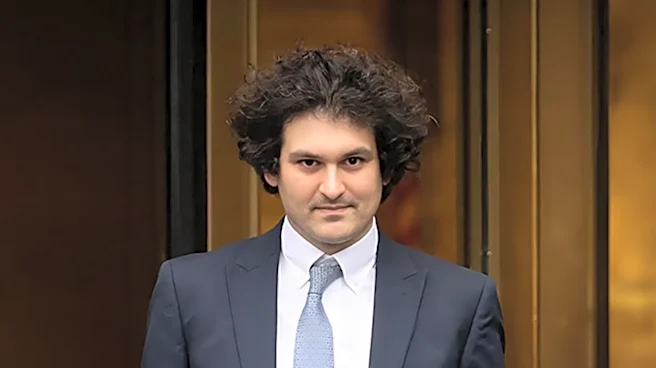
Abdi Nur Salah, a former policy aide to Minneapolis Mayor Jacob Frey, has been sentenced to 33 months in federal prison for his involvement in the 'Feeding Our Future' fraud scheme. Salah pleaded guilty to wire fraud, acknowledging his role in defrauding
$1.6 million from federal child nutrition funds. He was also ordered to pay $1,063,250 in restitution. Prosecutors stated that Salah registered 'Stigma-Free International,' a non-profit organization, which was used to carry out the fraud under Feeding Our Future's sponsorship. Over a year, Salah and his co-conspirators falsely claimed to have served nearly 5 million meals to children at various sites, leading to Stigma-Free International receiving over $10 million in federal funds. Salah was fired from his position with Mayor Frey in 2022 when the fraud allegations surfaced. U.S. District Court Judge Nancy Brasel highlighted Salah's role as a government employee as an aggravating factor in the sentencing, emphasizing the community's expectation of higher conduct from him. Salah was taken into custody immediately after the hearing.
Why It's Important?
This sentencing underscores the severe consequences for individuals involved in large-scale federal program fraud, particularly those in positions of public trust. The 'Feeding Our Future' scheme, which involved the theft of $250 million from a federal child nutrition program, represents one of the largest pandemic-era fraud cases in the U.S. The involvement of a former mayoral aide like Salah highlights vulnerabilities in oversight and accountability within government-affiliated programs. Such cases erode public trust in government initiatives designed to assist vulnerable populations and can lead to increased scrutiny and stricter regulations for non-profit organizations receiving federal funding. The restitution order and seizure of assets demonstrate efforts to recover taxpayer money, but the overall scale of the fraud indicates a significant loss of public funds intended for critical social services. This case also serves as a deterrent, signaling that even those with 'minor roles' in such schemes will face substantial penalties, especially when their positions imply a higher standard of ethical conduct.
What's Next?
Salah will serve his 33-month federal prison sentence and is expected to receive mental health resources and substance abuse treatment during his incarceration, as noted by Judge Brasel. The process of collecting the ordered restitution of $1,063,250 will continue, with funds from the sale of real estate properties and seized accounts being allocated for this purpose. The broader 'Feeding Our Future' investigation is ongoing, with Salah being the 31st defendant sentenced out of 81 charged, and 69 convictions secured so far. Sentencing dates for other defendants, including Salah's brother Abdulkadir, are yet to be scheduled. The convictions of Aimee Bock, the founder of Feeding Our Future, and Safari Restaurant owner Salim Said, who received lengthy prison sentences, indicate the continued pursuit of justice for all involved in the scheme. This ongoing legal action will likely lead to further sentences and potentially more revelations about the extent and mechanisms of the fraud.
Beyond the Headlines
The 'Feeding Our Future' fraud scheme, and Salah's involvement, exposes deeper systemic issues related to the oversight of federal aid programs, particularly during times of crisis like the COVID-19 pandemic. The rapid disbursement of funds intended for emergency relief can create opportunities for exploitation by individuals and organizations. This case raises questions about the adequacy of vetting processes for non-profits and the monitoring of how federal funds are utilized. The fact that a former government employee was involved adds a layer of ethical concern, suggesting a potential breach of public trust and a disregard for the very communities such programs are designed to serve. The long-term implications could include a re-evaluation of how federal nutrition programs are administered, potentially leading to more stringent auditing requirements and enhanced transparency measures to prevent similar large-scale frauds in the future. It also highlights the importance of public vigilance and investigative journalism in uncovering such abuses.