





What's Happening?
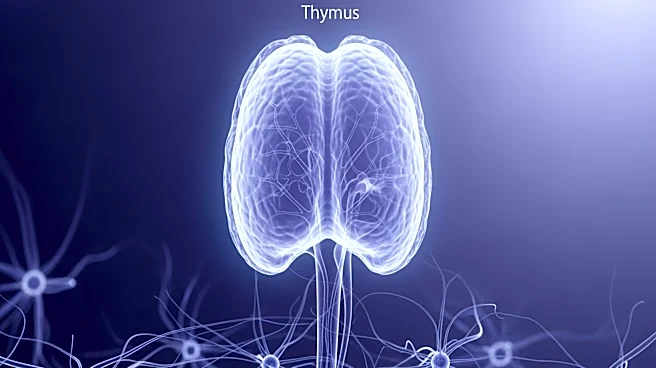
Recent studies have brought renewed attention to the thymus, a two-lobed organ located behind the breastbone, traditionally considered vestigial after childhood. Research indicates that a healthy thymus may play a significant role in longevity and immune
health, potentially influencing outcomes in cancer and cardiovascular diseases. The thymus is crucial in educating T cells, which are essential for immune response. Studies have shown that individuals with a healthier thymus are less likely to develop lung cancer or die from heart disease. They also respond better to cancer immunotherapy drugs. This research, published in the New England Journal of Medicine, suggests that the thymus could be a potent regulator of aging and immune health, challenging previous assumptions about its irrelevance in adulthood.
Why It's Important?
The findings about the thymus could have significant implications for medical science, particularly in the fields of oncology and immunology. Understanding the thymus's role in immune system regulation could lead to advancements in cancer treatment, especially in enhancing the effectiveness of immunotherapy. Additionally, the potential to rejuvenate or slow the decay of the thymus could improve health outcomes for aging populations, reducing the incidence of autoimmune diseases and improving responses to vaccinations. This research could pave the way for new therapeutic strategies aimed at enhancing thymic function, thereby improving overall health and longevity.
What's Next?
Future research is likely to focus on understanding the mechanisms by which the thymus influences health outcomes and exploring ways to rejuvenate or preserve its function. Scientists may investigate the potential for developing therapies that can regenerate the thymus or slow its natural deterioration. Such advancements could have broad applications, including improving responses to cancer treatments and vaccines, and managing autoimmune diseases. The exploration of the thymus's role in immune health could also lead to new insights into aging and longevity, potentially transforming approaches to healthcare for older adults.