







What's Happening?
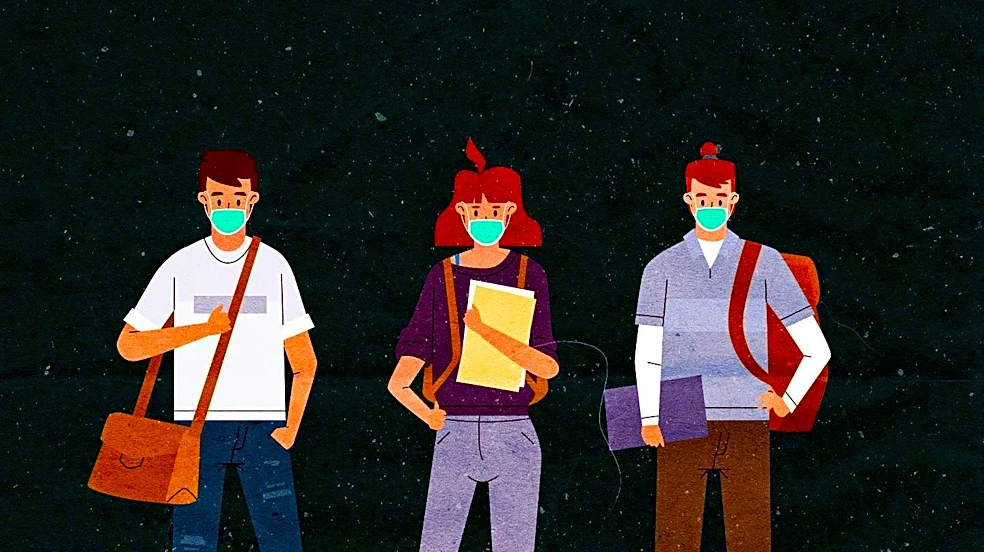
The aftermath of the COVID-19 pandemic has significantly intensified stress levels among students, leading to increased substance use. Factors contributing to this include disruptions in academic pursuits, social isolation, financial burdens, and health-related
anxieties. Concurrently, social media platforms have faced mounting criticism for their role in spreading misinformation and disinformation during the pandemic. This misinformation has covered various topics, including disease management, vaccine safety, side effects, and conspiracy theories. The combination of heightened stress and exposure to false information creates a challenging environment for students and public health efforts.
Why It's Important?
The increased stress and substance use among students represent a critical public health and educational challenge in the U.S. This trend can lead to long-term negative impacts on academic performance, mental well-being, and overall societal productivity. The spread of misinformation on social media further complicates this by undermining public trust in scientific information and health guidelines, potentially leading to poor health decisions. For educational institutions, it necessitates enhanced mental health support services and substance abuse prevention programs. For policymakers, it highlights the need for strategies to combat online misinformation and support youth mental health initiatives, ensuring a healthier and more informed future generation.
What's Next?
Addressing these issues will require comprehensive strategies from various stakeholders. Educational institutions are expected to implement targeted interventions and support services tailored to the unique needs of students, focusing on stress management, mental health awareness, and access to counseling. Public health organizations will likely continue efforts to counter misinformation through credible communication campaigns and digital literacy initiatives. Social media platforms may face ongoing pressure to improve content moderation and transparency. Furthermore, research into the long-term effects of pandemic-related stress and misinformation on youth will be crucial for developing effective, evidence-based interventions and policies.
Beyond the Headlines
The intertwining of increased student stress, substance use, and social media misinformation reveals deeper societal vulnerabilities exposed by the pandemic. It highlights a growing mental health crisis among youth, exacerbated by unprecedented global events and the pervasive influence of digital platforms. Ethically, it raises questions about the responsibility of social media companies in safeguarding public health and the mental well-being of their users. Culturally, it underscores a generational shift in how information is consumed and trusted, demanding new approaches to education and civic engagement. The long-term implications could include a more digitally-native but potentially more anxious and misinformed populace, necessitating a fundamental re-evaluation of how society supports its youth in an increasingly complex world.