





What's Happening?
The U.S. Pacific Coast states—California, Oregon, and Washington—are at the forefront of innovation in climate policy, technological advancements, and trade networks. This region, stretching over 1,200 miles, is characterized by dynamic economies that
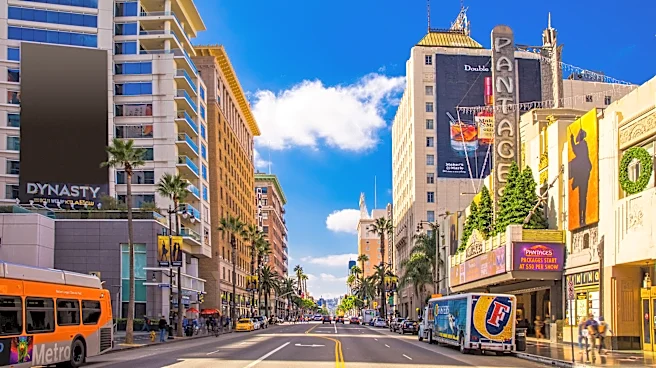
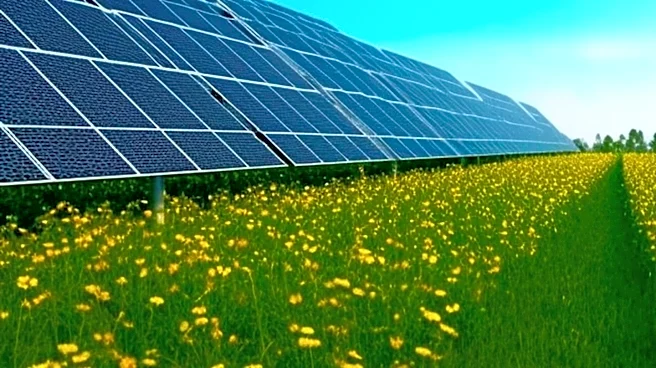
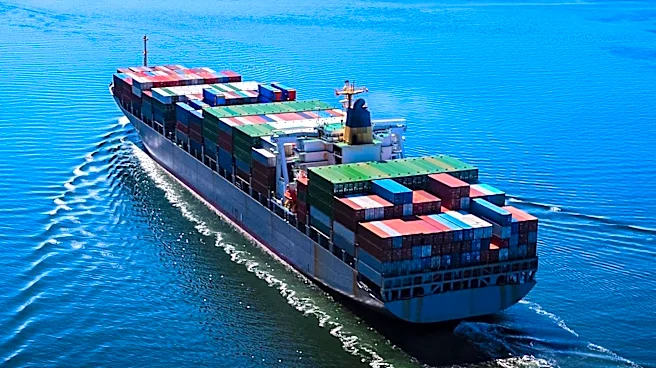
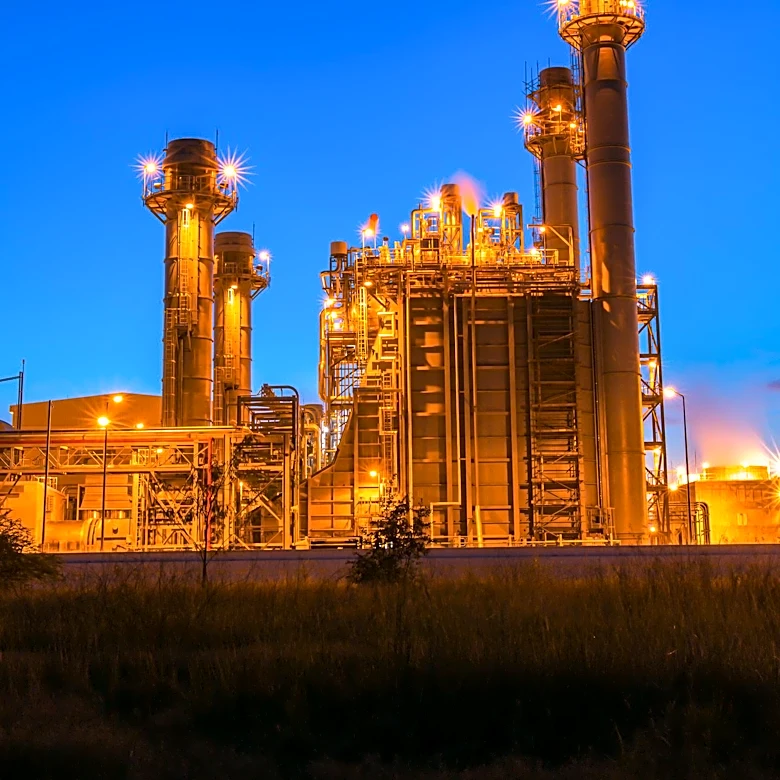
significantly influence national patterns in energy, migration, and industry. These states are actively experimenting with aggressive decarbonization strategies while simultaneously confronting environmental challenges such as intensifying wildfires, prolonged droughts, and rising sea levels. California has implemented landmark climate laws, Oregon is exploring cap-and-invest proposals, and Washington is engaged in carbon pricing debates. These regulatory frameworks are designed to impact emissions, investment, innovation, and public health. The region also serves as a critical hub for global supply chains, with California's ports handling a substantial portion of U.S. containerized imports. Furthermore, the Pacific Coast is a major center for technology and innovation, hosting defense, aerospace, software, and biotech clusters, attracting venture capital and fostering rapid product development.
Why It's Important?
The initiatives undertaken by California, Oregon, and Washington have significant implications for the entire United States. Their climate strategies serve as a testing ground for large-scale transformation, offering insights into both the potential benefits and challenges of transitioning to a climate-conscious society. The region's efforts to balance intermittent renewable power with reliability, and to manage disproportionate risks in fire-prone and low-lying coastal areas, provide valuable lessons for other states. As a crucial node in global supply chains, the efficiency and resilience of Pacific Coast ports directly affect national inflation, housing, and job markets. The technological advancements and innovation ecosystems in these states drive economic growth and create new industries, but also intensify housing pressures, traffic, and inequality, prompting national discussions on equitable distribution of benefits and costs. The region's demographic shifts and strong ties to Asian trade partners further underscore its strategic importance, influencing national policy on commerce, security, and international relations.
What's Next?
The Pacific Coast states are expected to continue their aggressive pursuit of climate goals, including further development of offshore wind projects and refined forest management techniques. Utilities will likely face ongoing challenges in balancing renewable energy integration with grid stability, necessitating continued innovation in energy storage and distribution. In trade, there will be a sustained push to electrify drayage trucks, expand rail capacity, and streamline cargo processing to enhance supply chain resilience. Debates surrounding housing affordability will persist, with ongoing experimentation in zoning reforms, inclusionary housing mandates, and integrated housing and transportation planning. The region will also continue to adapt to demographic shifts, requiring further investments in language services, community organizations, and workplace protections to support growing immigrant communities. Geopolitical tensions will likely prompt companies to further reevaluate supply chains, potentially favoring Pacific Coast proximity to Asian partners while also increasing focus on cybersecurity and diplomatic stability.
Beyond the Headlines
Beyond the immediate policy and economic impacts, the Pacific Coast's trajectory raises deeper questions about the long-term sustainability of rapid growth and innovation. The region's approach to climate change, particularly its emphasis on regulatory frameworks and large-scale transformation, highlights the ethical considerations of balancing environmental protection with economic development and social equity. The concentration of wealth and talent in tech hubs exacerbates issues of housing affordability and inequality, prompting critical examinations of who truly benefits from innovation and how to mitigate its hidden costs. Furthermore, the region's efforts to diversify rural economies and manage natural resources, such as fisheries and timber, underscore the complex interplay between scientific data, Indigenous knowledge, and local experience in land stewardship and water rights. The ongoing experiment in governance—how decisions are made and who participates—will determine whether the Pacific Coast can sustain its momentum without fracturing its communities and ecosystems, potentially offering a model for other regions grappling with similar challenges.