



What's Happening?
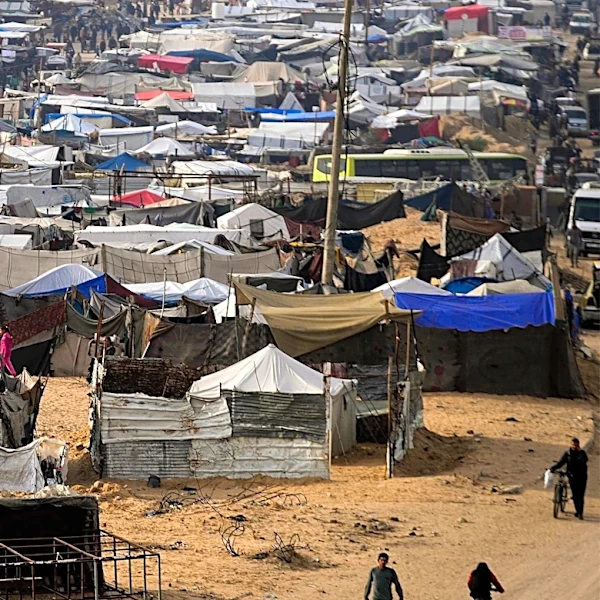
The United Nations has issued an alert regarding a severe displacement crisis in the central Sahel region, encompassing Burkina Faso, Mali, and Niger. Nearly four million people have been forced to leave their homes, a figure that has more than doubled
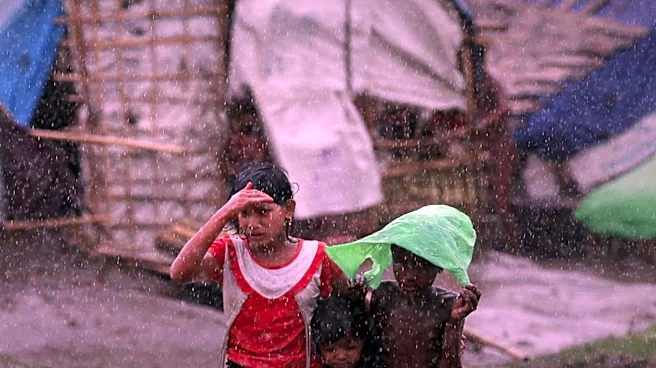
in the past six years. This increase precedes a series of coups in the region, which has been plagued by instability and violence. The UN Refugee Agency (UNHCR) indicates that the crisis is exacerbated by ongoing attacks against civilians, climate-related shocks, and significant shortfalls in humanitarian funding. The number of refugees in the affected areas is now almost equivalent to the local host community population, placing immense strain on already limited resources such as land and water, and overwhelming health services. In 2020, the region recorded over 1.7 million internally displaced people and 365,000 refugees, highlighting the rapid escalation of the situation.
Why It's Important?
This escalating displacement crisis in the central Sahel carries significant humanitarian and geopolitical implications. The doubling of displaced individuals in just six years underscores a profound failure in regional stability and governance, impacting millions of lives. The strain on host communities, where refugee numbers now nearly match local populations, creates intense competition for essential resources like land, water, and healthcare, potentially leading to further social unrest and conflict. The UNHCR's struggle with severe funding shortfalls—having received only 27% of necessary funds for its Sahel operations—means that critical aid and support for these vulnerable populations are severely compromised. This situation not only perpetuates human suffering but also risks wider regional destabilization, as displaced populations may seek refuge in neighboring countries, extending the crisis beyond the central Sahel. The confluence of violence, climate change, and political instability creates a complex challenge with long-term consequences for human security and regional development.
What's Next?
The immediate focus for international bodies like the UNHCR will be to address the severe humanitarian funding shortfalls to provide adequate support for the nearly four million displaced individuals. Efforts will likely concentrate on securing increased international attention and financial commitments to prevent further deterioration of the crisis. The UNHCR's regional director, Abdouraouf Gnon-Konde, noted a receding international attention, which suggests a need for renewed advocacy and engagement from global partners. Additionally, there will be continued pressure on affected countries to manage the influx of displaced persons, particularly in areas where refugee populations are straining local resources. The ongoing instability, marked by continued attacks and climate-related shocks, indicates that the drivers of displacement are unlikely to abate soon, necessitating sustained humanitarian responses and potentially long-term development strategies to build resilience in the region.
Beyond the Headlines
The crisis in the central Sahel extends beyond immediate displacement figures, revealing deeper systemic issues. The wave of coups and persistent instability in the region highlight a broader governance crisis, where state institutions struggle to provide security and basic services. The reliance on external actors, as seen with the presence of groups like Africa Corps, further complicates the geopolitical landscape and can undermine local sovereignty and long-term stability. The competition for resources between displaced populations and host communities, exacerbated by climate change, could ignite new conflicts and deepen existing ethnic and social divisions. Furthermore, the severe humanitarian funding shortfalls reflect a global challenge in sustaining aid efforts for protracted crises, potentially leading to donor fatigue and a re-evaluation of international aid priorities. This situation underscores the interconnectedness of security, climate, and governance, where failures in one area can trigger cascading crises across an entire region.