



What's Happening?
Experts are raising concerns about the impact of extreme heat on vulnerable populations, particularly older adults and outdoor workers. Valerie Sabol, a clinical nursing professor, notes that extreme heat often coincides with poor air quality, increasing
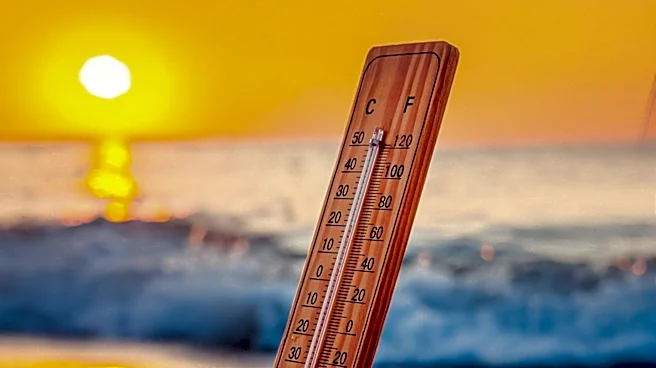
health risks. Cathleen Colon-Emeric, a geriatric medicine specialist, emphasizes the importance of using the wet-bulb globe temperature to assess heat impact more accurately. The elderly are particularly at risk due to reduced sweating and medication effects, while outdoor workers face heat strain from prolonged exposure. Community interventions, such as cooling centers and health checks, are recommended to mitigate these risks.
Why It's Important?
The rising temperatures pose significant health risks, especially for older adults and those with chronic illnesses. The increased frequency of extreme heat events necessitates better preparedness and community support systems. The economic impact is also notable, as heat-related illnesses can lead to increased healthcare costs and reduced productivity. The focus on vulnerable populations highlights the need for targeted interventions to prevent heat-related health issues and ensure community resilience.
What's Next?
Communities are encouraged to develop heat safety plans and improve infrastructure to provide relief during extreme heat events. This includes increasing tree cover, minimizing asphalt, and using heat-resistant building materials. Employers are advised to implement safety measures for outdoor workers, such as hydration and rest breaks. The ongoing monitoring of heat impacts and the development of adaptive strategies will be crucial in managing future heat events.
Beyond the Headlines
The discussion around heat risks also touches on broader environmental and social issues, such as urban planning and public health policy. The need for sustainable infrastructure and community engagement in heat mitigation strategies reflects a growing awareness of climate change impacts. The emphasis on vulnerable populations underscores the importance of equity in public health responses.