






What's Happening?
The European Union is projected to face a significant natural gas shortage of up to 14 billion cubic meters this coming winter, representing approximately seven percent of its annual demand. This forecast, reported by Politico citing data from the U.S.-based
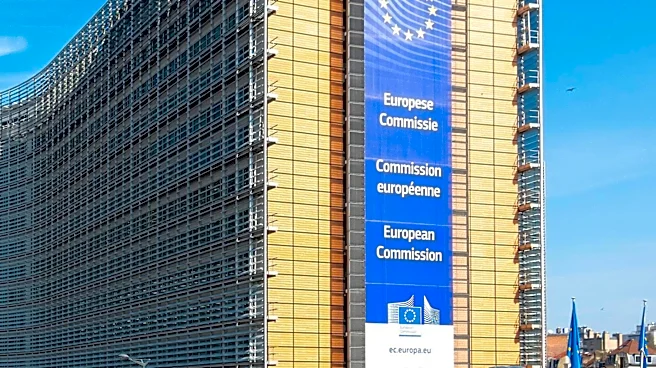
Institute for Energy Economics and Financial Analysis (IEEFA), is attributed to disruptions in global energy supplies stemming from conflicts in West Asia, increased consumption, and low gas storage levels across European countries. As of early October, underground gas storage facilities in EU member states were just over 70 percent full, the lowest level recorded for this period since 2011. Gas prices have also neared their four-year peak. Further exacerbating the situation is an impending EU ban on long-term contracts for liquefied natural gas (LNG) from Russia, set to take effect in January 2027, which could reduce imports by an additional seven billion cubic meters. The European Commission has already advised member states to reduce gas and electricity demand to help control prices, as noted in a letter from EU Energy and Housing Commissioner Dan Jørgensen to the bloc's energy ministers.
Why It's Important?
This impending natural gas shortage in the EU carries significant implications for global energy markets and could indirectly affect the U.S. economy. A severe energy crisis in Europe could lead to increased competition for global LNG supplies, potentially driving up prices for U.S. consumers and industries that rely on natural gas. The instability in European energy markets, fueled by geopolitical conflicts and supply chain vulnerabilities, highlights the interconnectedness of global energy security. U.S. energy producers, particularly those in the LNG sector, might see increased demand for their exports, but this could also strain domestic supplies and impact energy costs within the U.S. Furthermore, economic downturns in Europe due to high energy costs could reduce demand for U.S. goods and services, affecting American businesses and trade relationships. The situation underscores the broader challenge of energy diversification and resilience in the face of international conflicts and supply disruptions.
What's Next?
In response to the looming energy crisis, EU Energy and Housing Commissioner Dan Jørgensen has urged member states to consider measures to reduce gas and electricity consumption and to continue efforts in filling storage facilities. The European Commission's warning suggests that further policy interventions, potentially including demand reduction targets or emergency measures, may be implemented to mitigate the impact of the anticipated shortage. Member states will likely explore various strategies to secure alternative energy sources and enhance energy efficiency. The effectiveness of these measures will be crucial in determining the severity of the winter energy crisis. The upcoming ban on long-term Russian LNG contracts in January 2027 will necessitate a significant shift in procurement strategies for EU nations, potentially leading to new trade agreements and investments in renewable energy infrastructure to reduce reliance on volatile fossil fuel markets.
Beyond the Headlines
The European energy crisis extends beyond immediate supply concerns, revealing deeper vulnerabilities in global energy systems and the urgent need for a transition to more sustainable and secure energy sources. The reliance on imported fossil fuels leaves nations susceptible to geopolitical shocks, as evidenced by the impact of conflicts in West Asia and the Russia-Ukraine war. This situation highlights the ethical and strategic imperative for accelerated investment in renewable energy and energy independence. The long-term implications include a potential reshaping of global energy alliances and trade routes, with a greater emphasis on regional energy security and diversification. The crisis also brings to the forefront the societal impact of energy poverty, as rising costs disproportionately affect vulnerable populations and industries. The push for energy transition, while challenging, is increasingly viewed as a pathway to greater stability and resilience against future global disruptions.