
What's Happening?
The City of Lawrence has modified a planned city-load event at its compost facility to a self-load event, allowing residents to drop off yard waste. This change comes in response to an increased volume
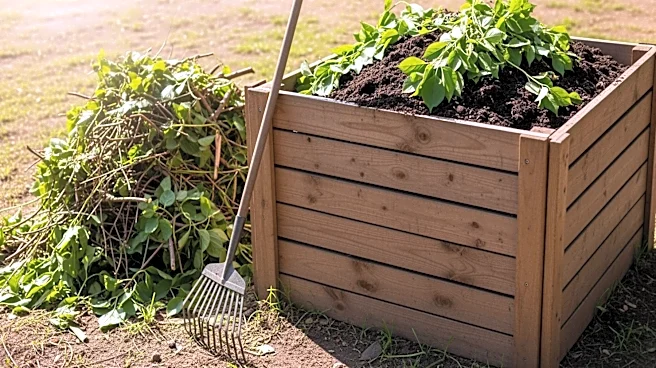
of material following recent severe thunderstorms. The self-load event will take place on May 2, from 9 a.m. to 1 p.m., at 1420 E. 11th St. Residents can bring yard waste such as grass, leaves, and brush, but must provide their own tools as city equipment will not be available. The cost for yard waste dropoff is $10 for small and large loads, and $20 for extra-large loads. The facility has updated its proof of residency requirements, asking residents to present a recent city utility bill and a matching photo ID, which can be shown digitally. The next city-load event is scheduled for June 6 and will be open to everyone.
Why It's Important?
This adjustment in the compost facility's operations highlights the city's responsiveness to environmental challenges and community needs. By allowing yard waste dropoff, the facility helps manage the aftermath of severe weather, which can generate significant debris. This initiative supports local environmental sustainability efforts by encouraging composting and reducing landfill waste. Additionally, the event provides a practical solution for residents dealing with storm-related yard waste, promoting community engagement in waste management practices. The economic aspect is also notable, as the facility's operations are cash-based, requiring exact change, which may influence participation levels.
What's Next?
Looking ahead, the city-load event scheduled for June 6 will be open to all, potentially increasing participation and community involvement. The facility's ongoing operations will likely continue to adapt based on weather conditions and community feedback. Residents may expect further updates on event schedules and operational changes, emphasizing the importance of staying informed through local news channels. The city's approach to waste management could serve as a model for other communities facing similar environmental challenges.