





What's Happening?
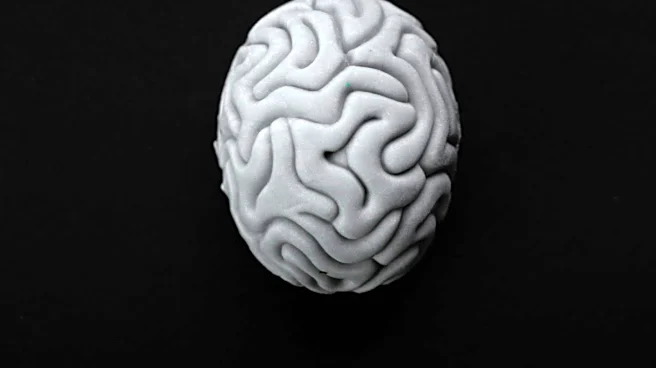
Research indicates that curcumin, the active compound in turmeric, may offer benefits for brain health, particularly in addressing inflammation and markers associated with Alzheimer's disease. Laboratory studies have shown curcumin's ability to slow the buildup
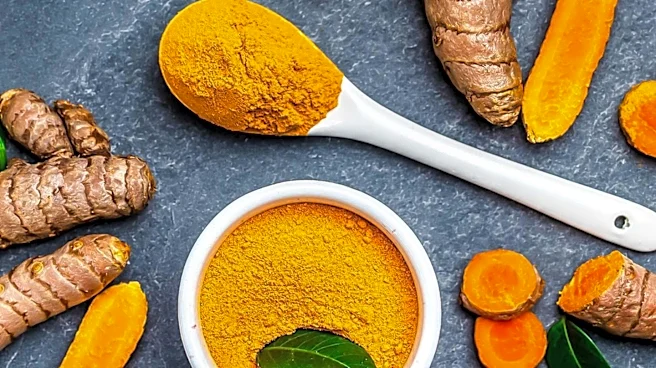
of beta-amyloid and tau proteins, which are classic indicators of Alzheimer's, and to support the formation of new neurons. This is achieved by inhibiting NF-κB, a transcription factor involved in pro-inflammatory substances, and by supporting BDNF (brain-derived neurotrophic factor), crucial for neuroplasticity, memory, and stress resilience. However, a significant challenge is curcumin's poor bioavailability; less than 1% of consumed curcumin typically crosses the blood-brain barrier. To enhance absorption, clinical trials often use special formulations combined with fats or black pepper extract (piperine). At home, pairing turmeric with a fat source and black pepper can improve its absorption, though this effect was noted in a small research group. While some clinical studies in healthy older adults have shown improved attention and memory with curcumin, and an 18-month trial reported better visual and verbal memory and reduced amyloid/tau deposits, many studies involve small sample sizes, limiting the generalizability of the findings.
Why It's Important?
The potential of curcumin to impact brain health and mitigate factors associated with Alzheimer's disease holds significant importance for public health and the pharmaceutical industry. With an aging population, the prevalence of cognitive disorders like Alzheimer's is a growing concern, and effective preventative or therapeutic strategies are highly sought after. If curcumin's benefits can be reliably harnessed, it could lead to new dietary recommendations or supplement developments aimed at supporting cognitive function. However, the challenge of bioavailability means that simply consuming turmeric as a spice may not yield the desired therapeutic effects, which could lead to consumer confusion or ineffective self-treatment. The need for specialized formulations also presents opportunities for pharmaceutical and nutraceutical companies to develop more effective curcumin-based products. Conversely, the cautious stance of health agencies and reports of liver issues with high-absorption supplements highlight the importance of medical oversight, preventing potential health risks from unsupervised supplementation. This underscores the critical balance between leveraging natural compounds for health benefits and ensuring their safe and effective application.
What's Next?
Future developments will likely focus on overcoming the bioavailability challenge of curcumin. This includes continued research into new chemical encapsulation methods and other formulations designed to boost absorption safely and effectively. Health agencies will likely maintain their cautious approach, emphasizing that current evidence is insufficient to officially recommend curcumin for preventing or treating cognitive disorders without further robust clinical trials. Consumers can expect to see more products on the market claiming enhanced curcumin absorption, but medical advice will remain crucial, especially for individuals on anticoagulants, those with biliary or gallbladder problems, or pregnant individuals, due to potential drug interactions and side effects. The scientific community will continue to conduct larger, more comprehensive clinical trials to validate the findings from smaller studies and to determine optimal dosages and long-term safety profiles. The distinction between culinary turmeric as a spice and concentrated curcumin supplements as potential therapeutic agents will become increasingly important in public discourse and medical guidance.
Beyond the Headlines
The discussion around turmeric and curcumin extends beyond immediate health benefits, touching upon broader implications for dietary science, supplement regulation, and public perception of natural remedies. The 'bioavailability challenge' highlights a common issue with many natural compounds, where promising in-vitro or animal study results do not easily translate to human efficacy due to absorption and metabolic hurdles. This underscores the complexity of nutritional science and the need for rigorous scientific validation before widespread health claims are accepted. The cautionary tales of liver issues with high-absorption supplements in countries like France also bring to light the ethical and regulatory responsibilities in the supplement industry. It emphasizes that 'natural' does not always equate to 'safe' or 'effective' without proper scientific backing and medical supervision. This ongoing research into curcumin could also influence how traditional spices are viewed in Western medicine, potentially bridging the gap between traditional culinary practices and modern pharmacological approaches, while also fostering a more critical and informed approach to health supplements among the general public.