





What's Happening?
Kidney stones affect nearly 1 in 10 Americans, with rates increasing over recent decades. Dietitians recommend dietary changes to reduce the risk of developing kidney stones. Key dietary factors include reducing sodium intake, increasing calcium consumption,
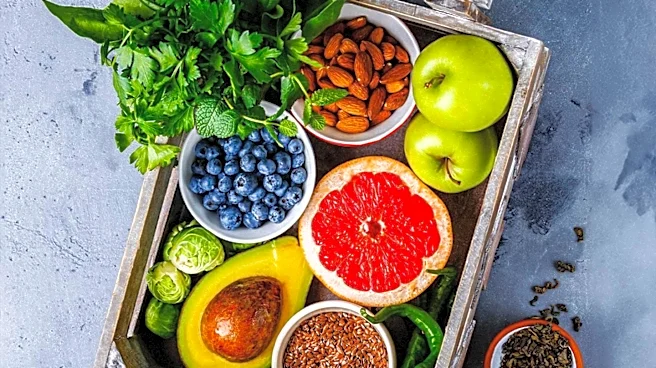
and opting for plant-based proteins over animal proteins. High sodium intake can lead to increased calcium in urine, raising the risk of calcium oxalate stones. Conversely, adequate calcium intake helps bind oxalate, preventing stone formation. Plant-based proteins like legumes are suggested as alternatives to animal proteins, which can increase uric acid levels. Additionally, consuming hydrating fruits and vegetables and whole grains can help prevent kidney stones.
Why It's Important?
The rising prevalence of kidney stones in the U.S. highlights the need for public awareness and preventive measures. Dietary modifications can play a crucial role in reducing the incidence of kidney stones, potentially decreasing healthcare costs and improving quality of life for affected individuals. By promoting healthier eating habits, such as increased consumption of plant-based foods and reduced sodium intake, individuals can lower their risk of kidney stones and related health complications. This approach aligns with broader public health goals of encouraging balanced diets and reducing the burden of chronic diseases.
What's Next?
Healthcare providers and dietitians may continue to emphasize the importance of dietary changes in preventing kidney stones. Public health campaigns could focus on educating the public about the benefits of plant-based diets and the risks associated with high sodium and animal protein consumption. Further research may explore the effectiveness of specific dietary interventions in reducing kidney stone risk. As awareness grows, individuals may increasingly adopt dietary practices that support kidney health, potentially leading to a decline in kidney stone cases over time.