


What's Happening?
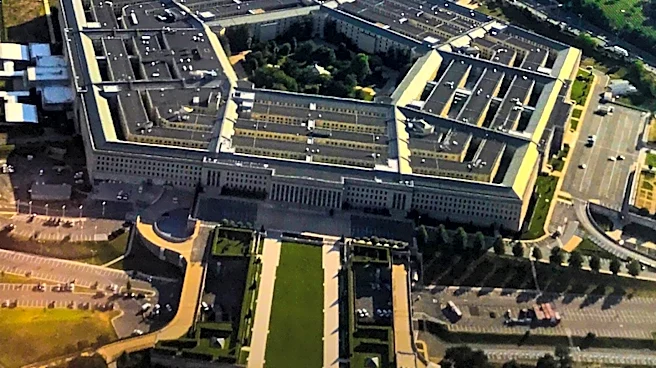
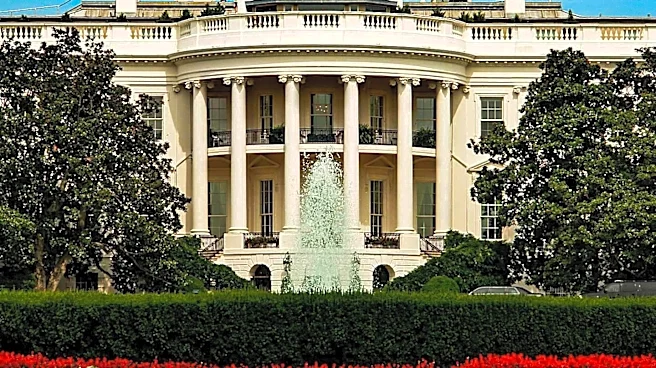
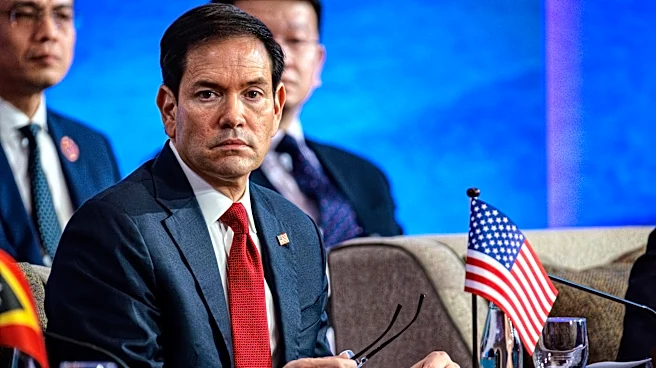
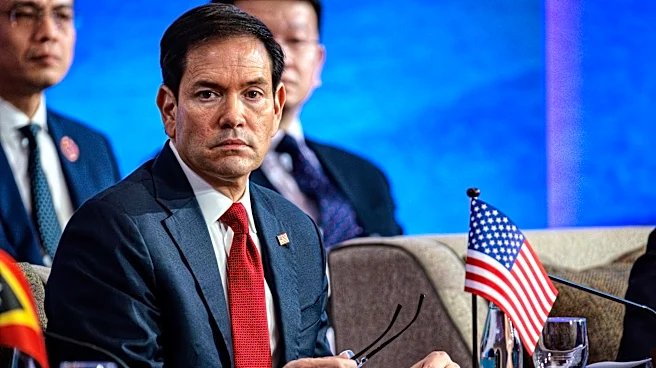
President Trump is confronted with limited strategic options as the U.S. continues its bombing campaign against Iran. Despite the military pressure, U.S. intelligence agencies have assessed that the current approach is unlikely to alter Iran's stance.
The conflict has led to significant economic and military challenges, with Iran targeting energy infrastructure and U.S. allies urging a diplomatic resolution. The situation is further complicated by Iran's control over the Strait of Hormuz, a critical economic lifeline.
Why It's Important?
The conflict's escalation poses a dilemma for the Trump administration, balancing military action with diplomatic efforts. The ongoing tensions threaten to destabilize the region and impact global energy markets. The U.S. faces pressure from allies to de-escalate and negotiate, while domestic political considerations, such as upcoming elections, add complexity to decision-making. The situation underscores the challenges of military intervention and the need for a coherent strategy to address geopolitical conflicts.
What's Next?
The U.S. may consider increasing military presence or pursuing diplomatic channels to resolve the conflict. The potential for further escalation remains, with Iran's ability to disrupt the Strait of Hormuz as a significant leverage point. International diplomatic efforts may intensify to prevent a broader regional conflict. The Trump administration will need to navigate domestic and international pressures to achieve a sustainable resolution.