





What's Happening?
The historical significance of Indian steel, particularly 'Wootz' steel, is being highlighted in the context of modern critical minerals. For centuries, Indian steel, known as 'ukku' in southern India and 'Hinduwani' by Arab merchants, was a highly sought-after
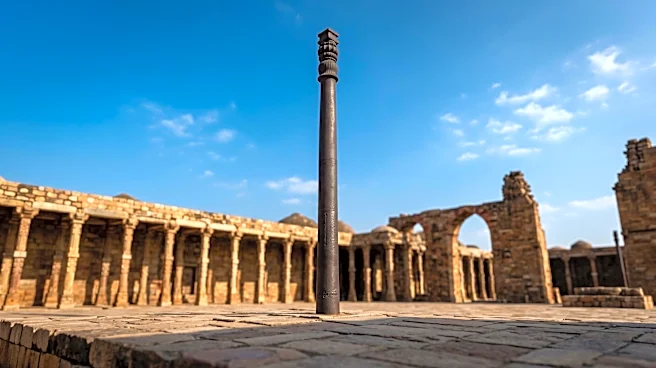
material across Asia and beyond. This crucible steel, produced by sealing iron and carbon-rich material and heating it until carbon entered the metal, resulted in a high-carbon steel distinct from ordinary wrought iron. Its exceptional quality led to its association with legendary blades, including those known in the West as Damascus steel. Poets and historians from various cultures, including Arabian and Roman, frequently referenced the superior quality of Indian steel and swords. The Delhi iron pillar, over 1,600 years old, stands as a testament to ancient Indian metallurgists' mastery, showcasing remarkable corrosion resistance. This historical narrative underscores India's past leadership in material technology, drawing parallels to contemporary discussions about critical minerals.
Why It's Important?
This historical perspective on Indian steel is important because it frames the current global competition for critical minerals as a continuation of an age-old struggle for technological advantage and power. Just as iron was a strategic resource in ancient times, materials like lithium, cobalt, and rare earths are indispensable for today's technology. Nations that control these materials gain a significant strategic advantage. India's past success in transforming raw materials into highly valued technology, like Wootz steel, offers a historical blueprint for its current ambitions. The narrative suggests that mastery over critical materials, coupled with technological innovation, translates into national power and influence. This historical context can inform policy decisions regarding resource management, technological development, and international trade, emphasizing the long-term benefits of securing and innovating with essential materials.
What's Next?
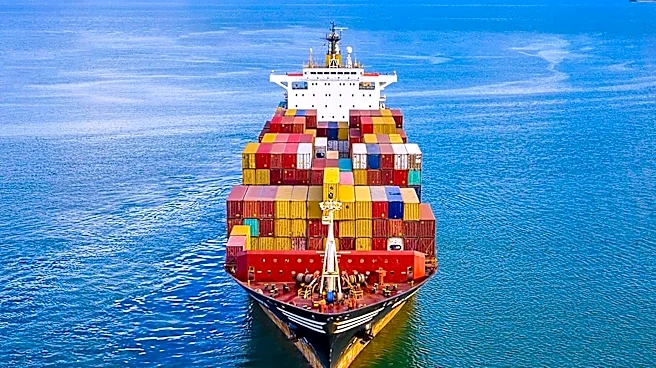
The discussion around ancient Indian steel and its connection to modern critical minerals suggests a renewed focus on India's role in the global supply chain of essential materials. Prime Minister Narendra Modi's call for India to prioritize critical minerals indicates a strategic shift towards securing and developing resources vital for future technologies. This could lead to increased investment in domestic mineral exploration, processing, and research into advanced materials. Furthermore, India might seek to strengthen international partnerships to ensure stable supply chains for critical minerals, drawing lessons from its historical success in exporting high-quality steel. The emphasis on 'knowledge turning resources into technology' implies a future where India aims to be a leader not just in raw material extraction, but also in the technological innovation that transforms these materials into high-value products, thereby enhancing its global standing.
Beyond the Headlines
The story of Indian steel extends beyond mere metallurgy; it delves into the cultural and economic fabric of ancient civilizations. The integration of 'Indian' as a mark of quality in poetry and historical accounts highlights the profound impact of technological prowess on cultural identity and international reputation. The ability of Indian craftsmen to achieve such advanced steel production without modern scientific instruments underscores the importance of empirical observation, inherited knowledge, and generational skill. This historical context challenges the notion that technological advancement is solely a product of modern scientific methods, revealing the sophisticated understanding and ingenuity present in ancient societies. It also subtly critiques the historical oversight of non-Western contributions to global technological progress, suggesting a richer, more interconnected history of innovation than often acknowledged. The enduring legacy of the Delhi iron pillar further exemplifies the long-term impact of material science on infrastructure and cultural heritage.