





What's Happening?
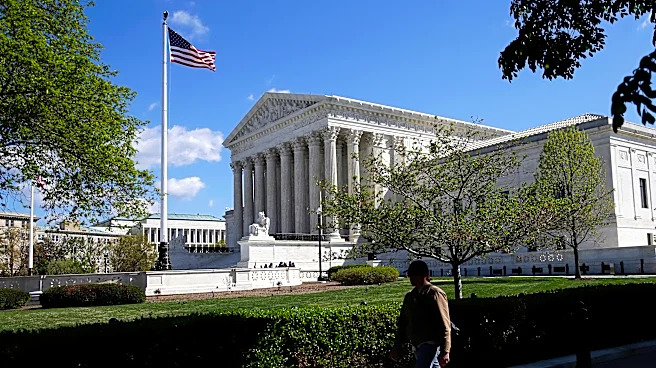
The U.S. Supreme Court has ruled in favor of Chevron, allowing the company to move a Louisiana environmental lawsuit to federal court. The case involves Chevron's crude oil refining activities during World War II, which allegedly caused damage to Louisiana's
coastline. The court's decision was unanimous, with liberal Justices Elena Kagan and Sonia Sotomayor joining conservative Justice Clarence Thomas in the ruling. Justice Ketanji Brown Jackson agreed with the outcome but expressed concerns about the broad interpretation of the statute involved. The ruling vacates a previous Fifth Circuit decision and reshapes the litigation landscape for similar cases.
Why It's Important?
This decision is significant as it sets a precedent for how historical environmental cases involving federal contracts can be litigated. By moving the case to federal court, Chevron and other companies may find it easier to defend against similar lawsuits, potentially reducing liability for environmental damages. The ruling also highlights the ongoing debate over the interpretation of federal statutes related to wartime activities and their impact on environmental regulations. This could influence future cases involving historical oil and gas activities and their environmental consequences.
What's Next?
The Fifth Circuit will reexamine the case using the Supreme Court's guidance, which could determine the future of the lawsuit and related claims seeking damages for coastal restoration. The outcome may affect similar environmental cases tied to historical activities conducted under federal direction. Stakeholders, including environmental groups and oil companies, will closely monitor the proceedings as they could have broader implications for environmental litigation and corporate liability.