





What's Happening?
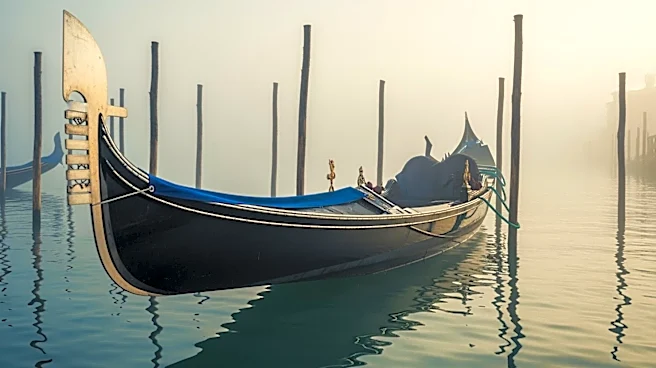
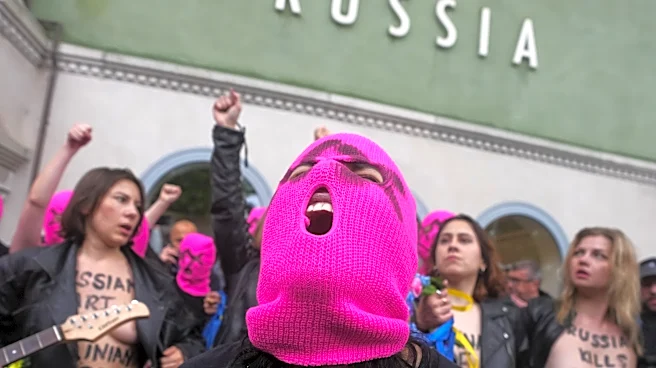
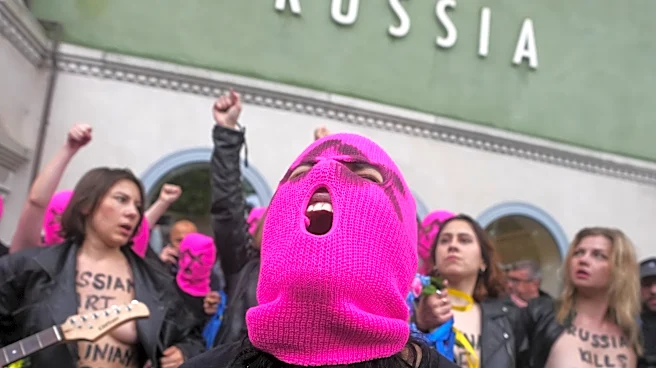
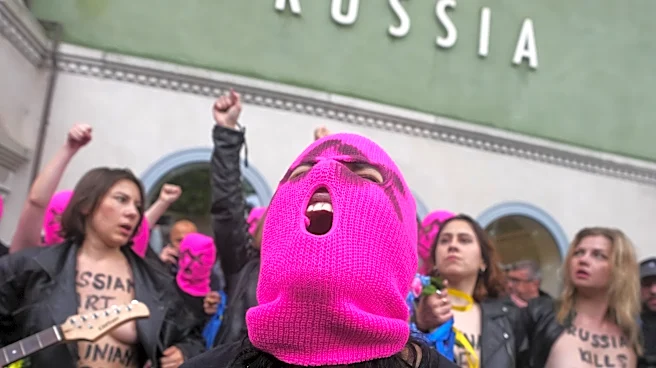
The Venice Biennale, a prominent international art exhibition, experienced significant disruptions as more than 15 national pavilions temporarily closed in protest against Israel's participation. Organized by the Art Not Genocide Alliance (ANGA), the strike
aims to challenge the normalization of Israel's presence in cultural spaces and address precarious labor conditions in the cultural sector. Artists and curators from countries like Austria, Lebanon, and Poland participated, expressing solidarity with Palestine and calling for changes in the Biennale's participation rules. The strike also highlights the broader controversy surrounding Israel and Russia's inclusion in the event.
Why It's Important?
The strike at the Venice Biennale underscores the intersection of art, politics, and labor rights, drawing attention to the ethical responsibilities of cultural institutions. It challenges the role of art in political conflicts and raises questions about the legitimacy of Israel's participation in international cultural events. The strike also highlights labor issues within the cultural sector, emphasizing the need for improved working conditions and fair treatment of cultural workers. This event could influence future policies and participation rules at the Biennale and other international cultural events.
What's Next?
The strike may lead to increased scrutiny of Israel's involvement in cultural diplomacy and prompt discussions about the ethical implications of participation in events involving controversial states. It could also result in policy changes at the Biennale, addressing both political and labor concerns. The ongoing protests and advocacy efforts may continue to shape the narrative around these issues, potentially influencing public opinion and policy decisions. The Biennale's organizers and participating countries may need to reassess their positions and strategies in response to the strike.
Beyond the Headlines
The strike at the Venice Biennale highlights the potential of art as a platform for political expression and social change. It raises broader questions about the responsibilities of cultural institutions in addressing global injustices and the role of art in influencing political discourse. The event reflects a growing trend of artists and cultural workers using their platforms to advocate for human rights and labor conditions, suggesting a shift towards greater activism and advocacy within the art world.