


What's Happening?
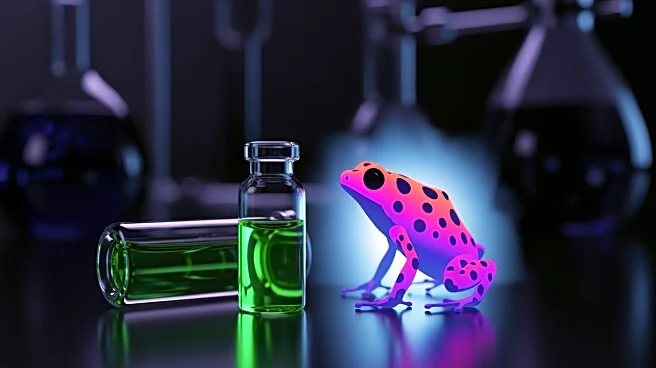
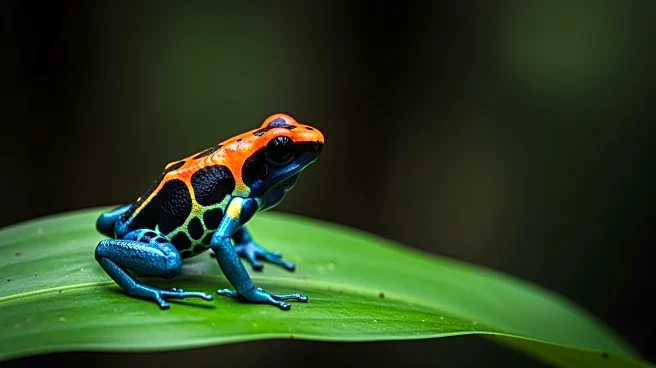
Five European countries, including the U.K., France, Germany, Sweden, and the Netherlands, have accused the Kremlin of poisoning Russian opposition leader Alexei Navalny with a lethal toxin derived from poison dart frogs. The countries have reported Russia to the Organization
for the Prohibition of Chemical Weapons, citing a breach of the Chemical Weapons Convention. Navalny, a prominent critic of President Vladimir Putin, died in a Russian penal colony in February 2024 while serving a politically charged 19-year sentence. The toxin, epibatidine, was found in Navalny's samples and is not naturally found in Russia. The accusation highlights the ongoing tension between Russia and Western nations over human rights and political dissent.
Why It's Important?
This development underscores the strained relations between Russia and Western countries, particularly concerning human rights and the treatment of political dissidents. The use of a rare toxin suggests a sophisticated level of planning and intent, raising concerns about state-sponsored actions against opposition figures. The incident could lead to increased diplomatic pressure on Russia and potential sanctions, affecting international relations and economic ties. It also highlights the risks faced by political activists in Russia and the lengths to which the state might go to silence dissent.
What's Next?
The international community may respond with further diplomatic actions or sanctions against Russia. The Organization for the Prohibition of Chemical Weapons could conduct an investigation, potentially leading to formal charges or resolutions. Western nations might increase support for Russian opposition figures and human rights organizations. The Kremlin's response to these accusations will be closely watched, as it could influence future diplomatic engagements and the geopolitical landscape.