







What's Happening?
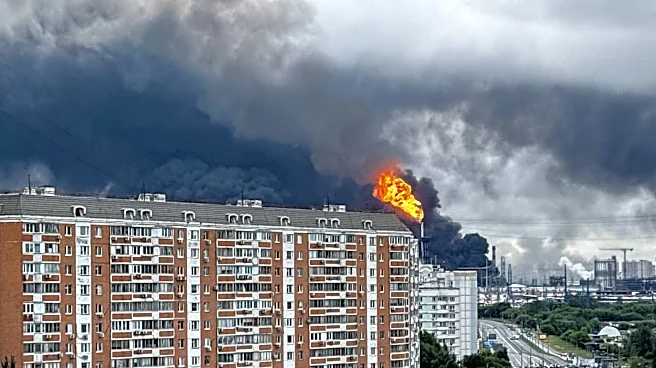
Ukraine has intensified its blockade of Crimea, leading to severe fuel and power shortages on the Russian-occupied peninsula. Ukrainian drone strikes have targeted bridges and shipping routes, effectively cutting off fuel supplies and causing widespread
blackouts. The situation has left tourists stranded and local residents facing shortages of essential services, including electricity, communication, and water. The crisis has been escalating since early June, with Ukrainian forces reportedly conducting numerous drone strikes on Crimea's infrastructure. The blockade has severely impacted the region's tourism industry, traditionally a popular destination for Russian vacationers.
Why It's Important?
The blockade of Crimea by Ukraine represents a significant escalation in the ongoing conflict between the two nations. The disruption of fuel and power supplies not only affects the daily lives of residents but also has broader implications for the region's economy and stability. The blockade could further strain relations between Russia and Ukraine, potentially leading to increased military tensions. Additionally, the impact on tourism and local businesses could have long-term economic consequences for Crimea, exacerbating the challenges faced by the region under Russian occupation.
What's Next?
The ongoing blockade and resulting shortages are likely to prompt further responses from both Russian and Ukrainian authorities. Russian officials may seek to bolster supply lines to Crimea or increase military presence in the region to counter Ukrainian actions. Meanwhile, Ukraine may continue its strategy of targeting infrastructure to pressure Russian forces. The international community may also become more involved, with potential diplomatic efforts to de-escalate the situation. The humanitarian impact on Crimea's residents could lead to calls for international aid or intervention.
Beyond the Headlines
The blockade highlights the complex geopolitical dynamics at play in the region, with Crimea's status remaining a contentious issue since its annexation by Russia in 2014. The situation underscores the challenges of maintaining infrastructure and services in conflict zones, as well as the broader implications for regional security and international relations. The blockade also raises ethical questions about the use of economic and infrastructure disruption as a tool of warfare, particularly in terms of its impact on civilian populations.