





What's Happening?
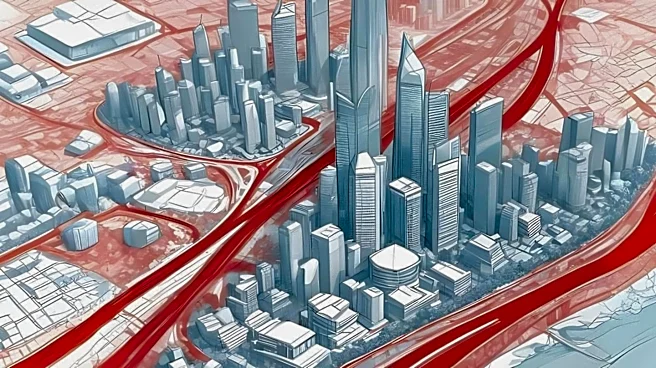
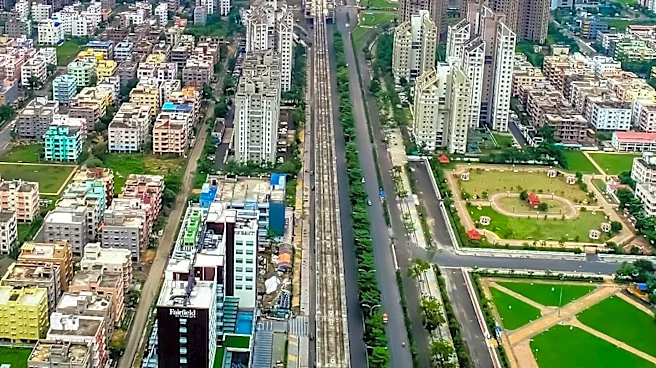
Cities across the U.S., particularly in the Central Puget Sound Region, are actively recruiting for senior-level positions in planning and community development. The City of Bellevue, for example, is seeking a Senior Planner/Urban Designer to address
its rapid maturation into a tech-centric, diverse metropolitan area. Similarly, the City of Liberty Lake, Washington, is looking for a Community Development Director. These roles involve significant responsibilities in strategic planning, land-use permitting, zoning, and development issues. Salaries for these positions are competitive, with the Senior Planner role in Bellevue offering between $106,986.45 and $147,677.42 annually, and the Community Development Director in Liberty Lake ranging from $127,014 to $151,793 per year. Other cities like Renton and Sequim are also advertising for various planning and development roles, indicating a widespread demand for such expertise.
Why It's Important?
The high demand for senior planners and community development directors in U.S. cities underscores the critical need for strategic urban management in rapidly evolving metropolitan areas. As cities like Bellevue transform into tech hubs, they face complex challenges related to infrastructure, housing, and sustainable growth. These roles are vital for ensuring that urban expansion is well-managed, equitable, and environmentally sound. The competitive salaries offered reflect the specialized skills and experience required to navigate these challenges, including expertise in land-use planning, zoning, and community engagement. Effective urban planning directly impacts the quality of life for residents, influences economic development, and shapes the long-term sustainability of urban environments, making these positions central to the future success of American cities.
What's Next?
The ongoing recruitment for senior planning and community development roles suggests a continued focus on urban growth and infrastructure development across the U.S. Cities will likely continue to invest in attracting and retaining highly skilled professionals to manage their evolving urban landscapes. This trend indicates that urban planning will remain a dynamic and essential field, with an emphasis on sustainable practices, smart growth, and community-centric development. Professionals in this sector can anticipate opportunities for career advancement and specialization, particularly in areas like urban design, environmental planning, and policy development. The need for collaboration between various city departments and stakeholders will also be paramount in addressing the multifaceted challenges of urban expansion.
Beyond the Headlines
The robust job market for urban planners and community development directors highlights a deeper societal commitment to shaping intentional and functional urban spaces. Beyond the immediate tasks of zoning and permitting, these roles are instrumental in fostering communities that are resilient, inclusive, and responsive to the needs of their inhabitants. The emphasis on 'tech-centric' and 'diverse' metropolitan areas points to the evolving nature of urban centers, where technological innovation and social equity are increasingly intertwined with physical development. This signifies a shift towards a more holistic understanding of urban health, where planning decisions are not just about buildings and roads, but also about creating environments that support well-being, economic opportunity, and social cohesion for all residents.