
What's Happening?
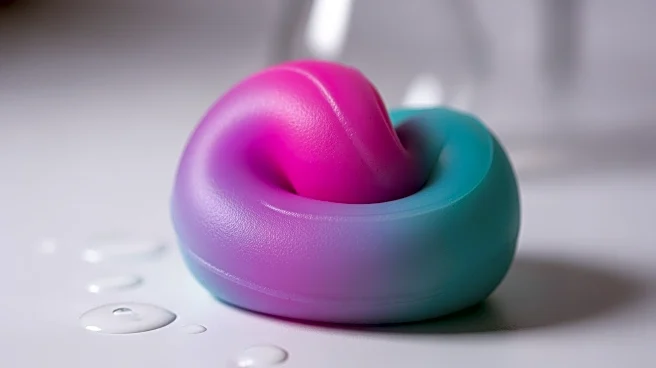
Consumer Reports has issued a warning regarding the potential dangers of popular squishy toys, which are often used as stress-relief tools. The investigation revealed that some of these toys can break
open, exposing children to substances that may cause skin irritation or chemical burns. The report highlights that many parents have noted issues with these toys, including reports of them breaking shortly after purchase and causing skin reactions. Consumer Reports tested several toys and found that one, the Nee-Doh 'Groovy Glob,' had a pH level as acidic as lemon juice, which could pose a risk of chemical burns. The manufacturer, Schylling, disputes these findings, asserting that the gel is safe and made from polyvinyl alcohol. Additionally, a trend on TikTok encouraging users to microwave these toys has been identified as dangerous, as it can cause the toys to explode and reach temperatures that could cause burns.
Why It's Important?
This warning is significant as it highlights potential safety risks associated with a popular children's product. The findings could prompt parents to reconsider purchasing these toys and encourage manufacturers to improve safety standards. The report also underscores the importance of regulatory oversight in ensuring the safety of children's products. With the potential for chemical burns, there is a pressing need for clearer labeling and ingredient disclosure. The issue also raises awareness about the influence of social media trends on consumer behavior, particularly when such trends can lead to unsafe practices.
What's Next?
In response to these findings, there may be increased scrutiny from consumer safety organizations and potential regulatory actions to ensure the safety of these toys. Manufacturers might face pressure to reformulate their products or improve labeling to prevent similar incidents. Parents and caregivers are likely to become more vigilant about the toys they purchase, and there could be a push for more comprehensive safety testing and reporting. Additionally, social media platforms may need to address the spread of potentially harmful trends that encourage unsafe use of products.