





What's Happening?
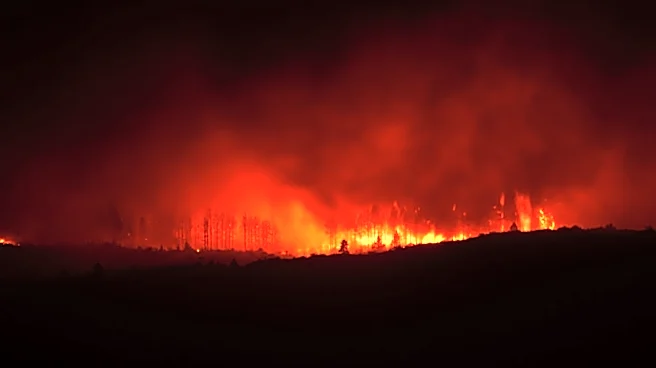
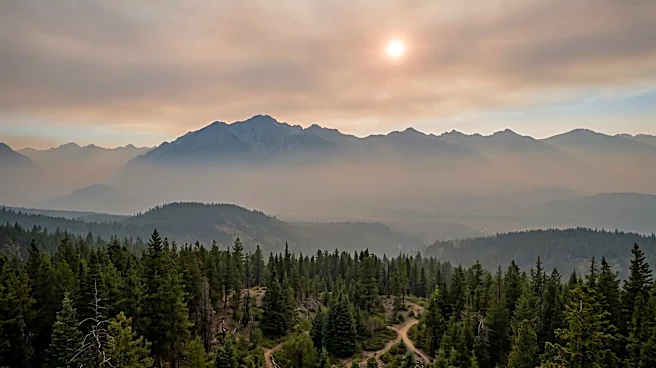
A recent analysis conducted by Oregon State University's Sustainable Tourism Lab has investigated how prolonged wildfire smoke affects tourism demand in communities like Bend, Oregon. The study found that while short periods of smoky conditions, such
as one or two days, may not significantly alter travel plans, extended periods of smoke lead to a higher likelihood of visitors rescheduling or canceling their trips. This research aims to understand the specific impacts of climate-driven events, particularly wildfires, on the tourism industry in Oregon. The findings highlight a direct correlation between the duration of smoke events and the decisions made by potential tourists, indicating a measurable economic consequence for affected regions.
Why It's Important?
This study is critically important for Oregon's tourism-dependent communities, as it quantifies the economic vulnerability to climate-driven events. Tourism is a significant economic driver for many areas in Oregon, including Bend, supporting local businesses, creating jobs, and generating tax revenue. Understanding how wildfire smoke deters visitors allows local governments and tourism boards to develop more effective mitigation strategies, such as targeted marketing campaigns during clear periods, or offering incentives to visit during off-peak seasons. For businesses in the hospitality sector, this data can inform operational adjustments, staffing levels, and financial planning to better withstand periods of environmental disruption. The research also underscores the broader economic implications of climate change, pushing communities to adapt and build resilience against increasingly frequent and severe weather events.
What's Next?
The findings from Oregon State University's Sustainable Tourism Lab will likely inform future planning and policy decisions for tourism in affected regions. Todd Montgomery, a hospitality professor at OSU and director of the lab, along with Nate Wyeth, chief of staff for Visit Bend, are expected to further discuss these implications. Local tourism organizations and government bodies may use this data to develop comprehensive strategies for managing the impact of wildfire smoke, including public health advisories, air quality monitoring, and communication plans for potential visitors. There could also be an increased focus on promoting indoor attractions or alternative activities during smoky periods. Further research may explore long-term adaptation strategies for the tourism industry in the face of ongoing climate change.
Beyond the Headlines
The study's insights extend beyond immediate tourism impacts, touching upon the broader societal and environmental challenges posed by climate change. It highlights how environmental degradation, such as increased wildfire activity, directly translates into economic losses and disrupts local livelihoods. This research could spur greater investment in climate resilience infrastructure and policies, not just for tourism but for overall community well-being. Ethically, it raises questions about the responsibility of industries and governments to address climate change, given its tangible economic consequences. Culturally, it may lead to a shift in how communities perceive and market themselves, potentially emphasizing resilience and sustainable practices. The long-term implication is a growing need for integrated approaches that link environmental protection with economic stability and community development.