







What's Happening?
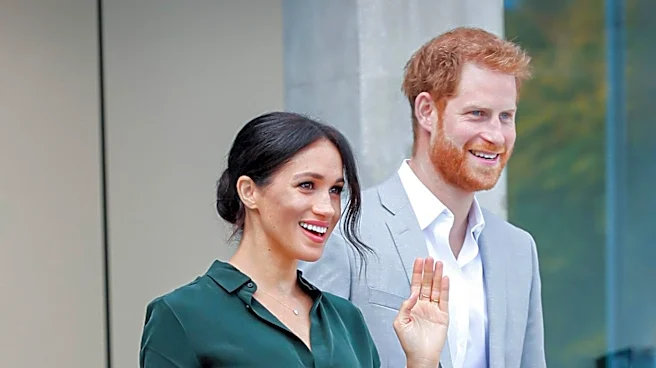
Prince Harry and Meghan Markle are facing significant security unknowns as they settle into their new home in the United Kingdom. As non-working royals, they do not receive automatic taxpayer-funded armed police protection, unlike other senior members
of the royal family. The Sussexes have relied on a privately funded security team for the past six years in California, and Harry has frequently expressed reluctance to bring his family to the UK due to security concerns. Now back in his home country, Harry is reportedly re-pleading his case for armed security. The Sunday Times reported that Harry wrote to the UK government's minister in charge of police, alleging that RAVEC (the body handling police protection details) did not warn him of a possible Al Qaeda threat in 2023. RAVEC had ruled in 2020 that security for the Sussexes would be granted on a case-by-case basis, and Harry lost an appeal last year challenging the reduction of his publicly funded security.
Why It's Important?
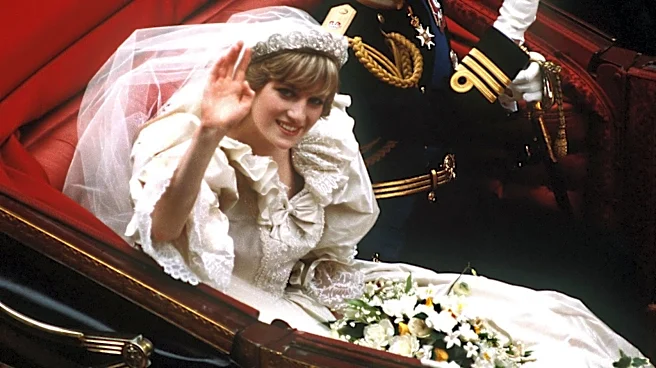
The unresolved security situation for Prince Harry and Meghan Markle carries significant implications for their safety and their ability to live a normal life in the UK. The lack of automatic armed police protection, despite Harry's royal status and past threats, creates a vulnerable position for the family. This issue is particularly poignant given the historical context of Princess Diana's death, which Harry has often linked to the removal of her security. The ongoing dispute over security funding and provision highlights the complex challenges faced by non-working royals who still attract immense public and media attention. It also raises questions about the government's responsibility to protect individuals who, by birthright, are prominent public figures, even if they have stepped back from official duties. The security concerns could severely limit their freedom of movement and impact their children's daily lives, such as school runs.
What's Next?
Prince Harry is actively pursuing a resolution to his family's security situation, reportedly writing to the UK government's minister in charge of police. The Executive Committee for the Protection of Royalty and Public Figures (RAVEC) will be central to any decision regarding their protection. Given Harry's past appeals and the reported Al Qaeda threat, the government will likely face pressure to address these concerns. The outcome could involve a re-evaluation of their security status, potentially leading to some form of publicly funded protection, or a continued reliance on private security with its inherent limitations. The family's ability to integrate into British life, particularly with their children attending school, will heavily depend on a satisfactory resolution to these security challenges. The ongoing discussions will likely remain a significant point of contention and public interest.
Beyond the Headlines
The security dilemma faced by Prince Harry and Meghan Markle delves into deeper ethical and legal questions surrounding the protection of public figures, especially those with royal lineage but without official working roles. It highlights the tension between individual autonomy (their choice to step back) and the inherent risks associated with their public profile. The comparison to Princess Diana's security situation underscores a historical precedent and the emotional weight of this issue for Harry. Furthermore, the alleged failure of RAVEC to inform Harry of a specific threat raises serious concerns about accountability and communication within security protocols. This situation could prompt a broader review of how security is allocated to non-working royals and other high-profile individuals, potentially influencing future policy decisions regarding public safety and the responsibilities of the state towards its prominent citizens.