
What's Happening?
Russian state-sponsored hacking group, Star Blizzard, has been employing fake event invitations to trick individuals into installing a backdoor on their Windows computers. According to Microsoft, these
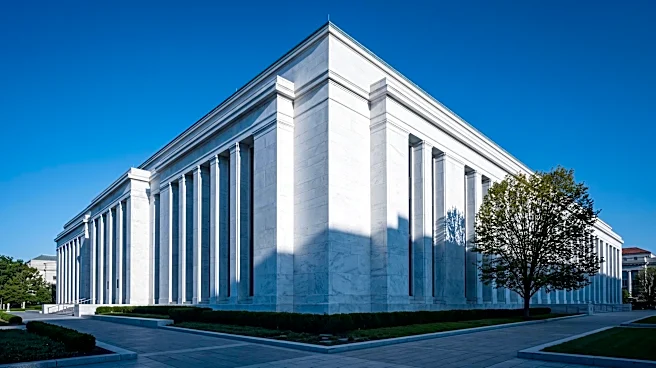
campaigns have targeted over 100 organizations, primarily in the U.S. and U.K., since January. The attacks are aimed at entities and individuals connected to Ukraine. While at least one computer has been infected, the total number of breached organizations remains undisclosed. The group, believed to be operating under Center 18 of Russia's Federal Security Service (FSB), has a history of stealing email passwords by impersonating known contacts. This year, they have expanded their tactics to include sophisticated campaigns using compromised WordPress and cPanel websites for email accounts, a shift from their previous reliance on free email services. One notable campaign in March involved Atlantic Council-themed invitations, which, if a target replied, led to a link for an iPhone exploit kit called DarkSword, rather than the Windows backdoor. The primary method for delivering malware this year, dubbed 'RedFlick' by Microsoft, utilizes scheduled tasks to install a Python-based backdoor named CosmicPulse.
Why It's Important?
This ongoing cyber campaign by a Russian state-sponsored group poses a significant national security threat to the U.S. and its allies, particularly those involved in supporting Ukraine. The targeting of over 100 organizations, including think tanks and NGOs like the Atlantic Council, indicates a broad effort to gain intelligence, disrupt operations, or potentially lay groundwork for future attacks. The use of sophisticated social engineering tactics, such as fake event invitations and impersonation, highlights the evolving nature of cyber warfare and the challenges in defending against such persistent threats. The deployment of backdoors like CosmicPulse can grant attackers long-term access to compromised systems, enabling data exfiltration, espionage, or further network penetration. The shift from free email services to compromised websites for launching attacks also suggests an increased level of operational security and resourcefulness from the threat actor, making detection and attribution more complex. The involvement of a U.S. think tank like the Atlantic Council underscores the direct impact on American institutions and their role in international policy discussions.
What's Next?
Organizations, especially those involved in Ukraine policy or international affairs, are advised to enhance their cybersecurity defenses. Microsoft has provided hunting queries and indicators to help identify potential compromises and recommends specific actions. These include verifying sender addresses, searching for specific scheduled task names and Microsoft Defender detections (Trojan:Script/RedFlick and Backdoor:Python/CosmicPulse), and widening the time range for hunting queries. Furthermore, organizations should block or limit unnecessary outbound SSH connections, enable attack surface reduction rules in Microsoft Defender, and implement phishing-resistant sign-in methods to counter password phishing and session cookie theft. For iPhone users, updating to iOS 26.3 or later is crucial to patch vulnerabilities exploited by DarkSword, with Lockdown Mode recommended if updates are not immediately possible. Continued vigilance and proactive defense measures will be essential to mitigate the ongoing threat posed by Star Blizzard and similar state-sponsored cyber actors.
Beyond the Headlines
The Star Blizzard campaign highlights a broader trend in state-sponsored cyber operations where geopolitical conflicts are increasingly mirrored in the digital realm. The targeting of think tanks and NGOs, often seen as soft targets compared to government agencies, reveals an intent to influence policy, gather intelligence on strategic discussions, and potentially sow disinformation. The use of both Windows backdoors and iPhone exploit kits demonstrates a versatile and adaptive adversary capable of targeting a wide range of platforms and individuals. This also raises ethical questions about the role of technology companies like Microsoft in identifying and disclosing state-sponsored threats, and the balance between national security interests and user privacy. The continuous evolution of attack vectors, from simple phishing to exploiting compromised websites and deploying advanced malware, underscores the need for a multi-layered and dynamic cybersecurity strategy that goes beyond traditional perimeter defenses. The long-term implications could include erosion of trust in digital communications, increased costs for cybersecurity infrastructure, and a persistent state of low-level cyber conflict impacting international relations.