





What's Happening?
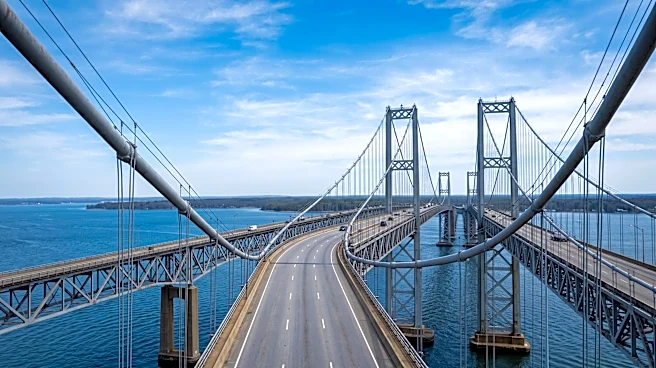
The Maryland Transportation Authority (MDTA) has released travel advisories for major toll routes in Maryland for the Thanksgiving holiday period, from Tuesday, November 24, 2026, through Sunday, November 29, 2026. The advisories provide recommended travel times
to avoid peak congestion on the Bay Bridge, I-95 (including the JFK Memorial Highway and Fort McHenry Tunnel), and the Nice/Middleton Bridge (US 301). For the Bay Bridge, suggested lighter travel times include before 2 p.m. or after 10 p.m. on Tuesday, and before noon or after 6 p.m. on Wednesday. On Thanksgiving Day, travelers are advised to cross before 10 a.m. or after 3 p.m. Similar time windows are provided for Friday, Saturday, and Sunday. The MDTA also noted that two-way traffic operations on the Bay Bridge may be implemented to ease eastbound backups, weather and traffic permitting. E-ZPass offers the lowest toll rates, and Pay-By-Plate is available for those without a transponder. MDTA Police will increase patrols, and customer service centers will be closed on Thanksgiving Day.
Why It's Important?
These travel advisories are crucial for millions of Maryland residents and visitors planning to travel during one of the busiest periods of the year. By providing specific time recommendations, the MDTA aims to help drivers avoid severe traffic congestion, reduce travel times, and enhance safety on major toll routes. The potential implementation of two-way traffic on the Bay Bridge highlights efforts to actively manage traffic flow during peak demand. The emphasis on E-ZPass encourages efficient toll collection and reduces delays at toll plazas. Increased police presence is intended to ensure road safety and provide assistance during potential incidents, which are more likely during high-volume travel periods. This proactive approach helps mitigate holiday travel stress and improves overall road network efficiency.
What's Next?
Travelers during the Thanksgiving period are expected to follow the MDTA's advisories to optimize their journeys. The MDTA will continuously monitor traffic conditions and weather to make real-time decisions, such as implementing two-way traffic on the Bay Bridge. Drivers should stay updated through official channels like Baybridge.com or the MDTA's phone line for the latest traffic information. Post-holiday, the MDTA will likely analyze traffic data from this period to refine future holiday travel advisories and traffic management strategies. The ongoing promotion of E-ZPass suggests continued efforts to transition more drivers to electronic tolling for efficiency.
Beyond the Headlines
The detailed planning and communication by the MDTA for holiday travel underscore the complex logistical challenges of managing large-scale human movement. These advisories are not just about traffic flow but also about public safety, economic impact (e.g., ensuring timely delivery of goods, facilitating tourism), and environmental considerations (reducing idling time and emissions). The use of dynamic traffic management strategies, like two-way traffic on bridges, reflects advanced engineering and operational capabilities. This annual exercise also highlights the critical role of public agencies in coordinating infrastructure use and public behavior to maintain societal function during periods of high demand, serving as a model for other regions facing similar challenges.