




What's Happening?
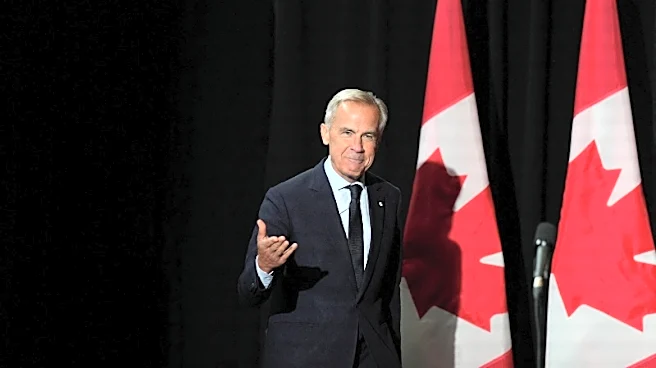
Canada will host the 12th Our Ocean Conference in 2027, an international platform dedicated to ocean protection and sustainable use. The Honourable Joanne Thompson, Minister of Fisheries, announced the appointment of Mme. Diana Fox Carney as Canada's
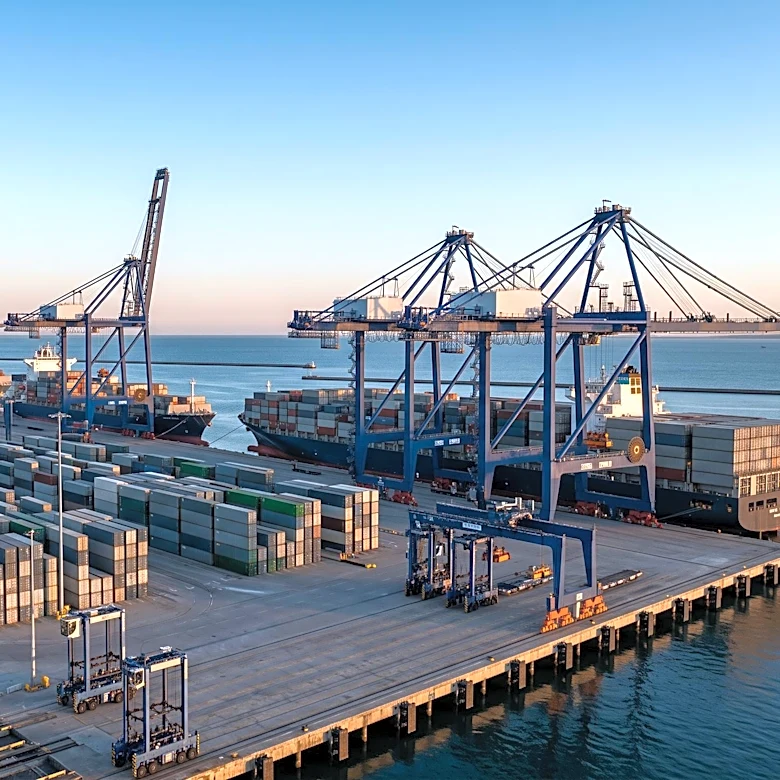
Ocean Envoy and Chair for the upcoming conference. The Our Ocean Conference, initiated in 2014, focuses on voluntary and measurable commitments across six key areas: marine protected areas, marine pollution, climate change, the sustainable blue economy, maritime security, and sustainable fisheries. Globally, over 3,200 commitments have been made through this platform, totaling approximately $243 billion CAD. As host, Canada aims to bring together governments, Indigenous leaders, scientists, industry, non-governmental organizations, and communities to translate ambitious goals into concrete actions for ocean protection and sustainable practices. Mme. Fox Carney, a British-Canadian economist with expertise in climate policy, will lead efforts to connect ocean conservation, climate action, Indigenous leadership, economic resilience, and maritime security, showcasing Canada's commitment to healthy oceans and strong coastal communities.
Why It's Important?
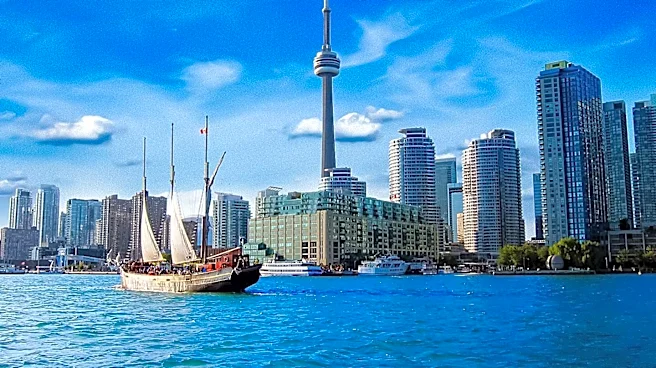
The Our Ocean Conference serves as a critical global forum for addressing the pressing challenges facing marine ecosystems and fostering a sustainable blue economy. Canada's role as host in 2027, with its extensive coastline spanning the Atlantic, Pacific, and Arctic oceans, underscores its commitment to ocean stewardship and its potential to influence international policy. The appointment of an Ocean Envoy like Mme. Diana Fox Carney, who has a background in climate policy and economic transitions, highlights the interdisciplinary approach required to tackle complex ocean issues. This initiative is vital for the U.S. and other nations as ocean health directly impacts global climate patterns, food security, and economic stability. The conference's focus on Indigenous-led stewardship also emphasizes the importance of incorporating traditional knowledge into modern conservation efforts, which can offer valuable insights for sustainable resource management and community resilience, potentially influencing similar approaches in U.S. coastal regions.
What's Next?
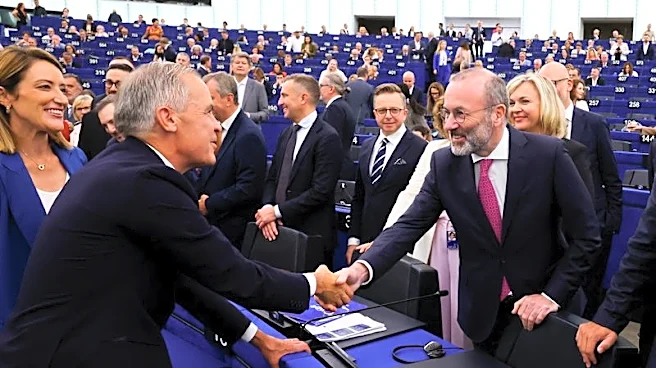
Leading up to the 12th Our Ocean Conference in 2027, Mme. Diana Fox Carney will actively work to advance Canada's leadership in ocean conservation, climate action, Indigenous leadership, economic resilience, and maritime security. This will involve engaging with various stakeholders, including international governments, scientific communities, and non-governmental organizations, to build consensus and foster collaborative initiatives. The conference itself will serve as a platform for participants to announce new commitments and review progress on existing ones, particularly towards the global goal of protecting 30 percent of the ocean by 2030. Discussions will likely focus on innovative financing mechanisms and the development of investable projects to scale marine solutions, as experts have noted the need for better financial architecture to match capital with ocean initiatives. The outcomes of the conference are expected to influence international ocean policy and conservation strategies for years to come.
Beyond the Headlines
The Our Ocean Conference, and Canada's leadership in hosting it, extends beyond immediate policy decisions to address deeper ethical and cultural dimensions of ocean governance. The emphasis on Indigenous-led stewardship acknowledges the historical and ongoing connection of Indigenous communities to marine environments and the value of their traditional ecological knowledge. This approach can foster more equitable and effective conservation strategies by ensuring that local communities, who are often most directly impacted by ocean degradation, have a voice in decision-making. Furthermore, the conference's focus on the sustainable blue economy highlights a paradigm shift towards integrating economic development with environmental protection, moving away from exploitative practices. This involves exploring innovative financial models and creating a robust architecture to support ocean-related investments, which could set precedents for how nations approach resource management and economic growth in a climate-constrained world, promoting long-term ecological and economic resilience.