

What's Happening?
Calera city leaders are taking their concerns about frequent train blockages to Washington, D.C., following an incident where a stopped train blocked all downtown railroad crossings for over three hours. Mayor Kenny Dale Cost informed the Calera City
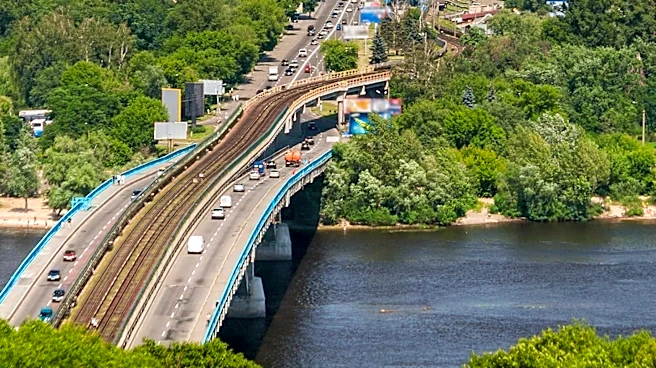
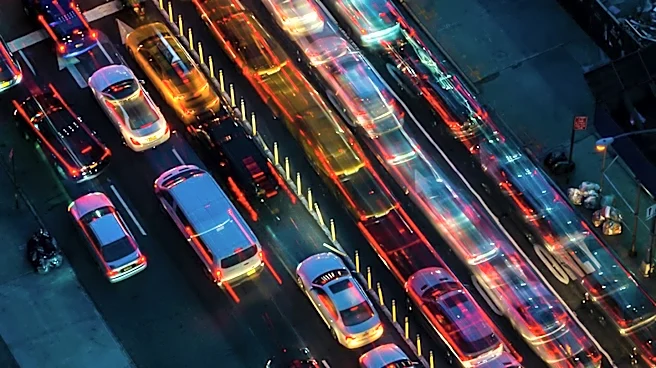
Council that video footage of the August 27 gridlock, which trapped school buses, delayed emergency responses, and caused extensive traffic backups, will be part of a presentation to federal officials. The city is seeking funding for a bridge project designed to provide an alternative route across the railroad corridor. Mayor Cost also publicly pressed state leaders for a written commitment of $10 million for the project, which he claims Governor Kay Ivey's office had previously discussed. However, ABC 33/40 has not independently confirmed this state funding commitment.
Why It's Important?
The ongoing issue of train blockages in Calera poses significant public safety and economic challenges. The August 27 incident, which paralyzed downtown traffic for over three hours, demonstrated the severe impact on emergency services, school transportation, and daily commerce. The city's efforts to secure federal and state funding for a bridge project are crucial for ensuring the safety and mobility of its residents. Without a reliable alternative crossing, the city remains vulnerable to disruptions that can have life-threatening consequences, as emergency vehicles are unable to reach affected areas promptly. The mayor's public call for a written commitment from the state highlights the bureaucratic hurdles and funding uncertainties that often delay critical infrastructure projects, underscoring the need for clear and firm financial support to move forward with essential developments.
What's Next?
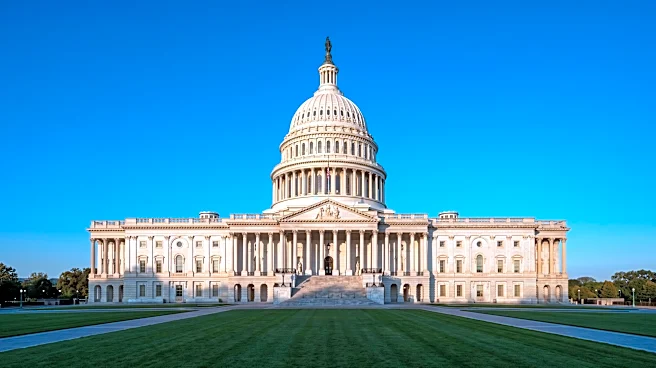
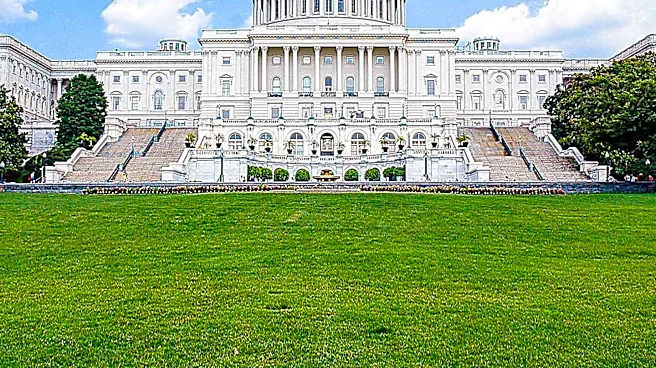
Mayor Cost and other local officials plan to travel to Washington, D.C., to present their case to federal officials, using the video footage of the recent gridlock as evidence of the urgent need for the bridge project. Concurrently, the city is awaiting a written commitment of $10 million from the state, which Mayor Cost believes is essential to advance the project. The mayor indicated that securing this written commitment is a prerequisite for moving forward with the bridge construction. The project plans are currently only about 30% complete, indicating that significant work remains even if funding is secured. The outcome of these discussions in Washington and the state's response to the funding request will determine the timeline and feasibility of the bridge project, which is critical for Calera's public safety and infrastructure.
Beyond the Headlines
The Calera train blockage issue and the city's pursuit of a bridge project highlight a broader national challenge concerning aging infrastructure and the impact of freight rail operations on urban and suburban communities. The conflict between the efficiency of rail transport and the daily lives of residents underscores the need for integrated urban planning that anticipates and mitigates such disruptions. The reliance on federal and state funding for local infrastructure projects also reveals the complex intergovernmental dynamics involved in addressing community needs. This situation raises questions about the responsibility of railroad companies in mitigating their impact on communities and the role of government in ensuring public safety and efficient transportation networks. The long-term implications extend to economic development, quality of life, and the resilience of communities facing similar infrastructure bottlenecks across the country.