







What's Happening?
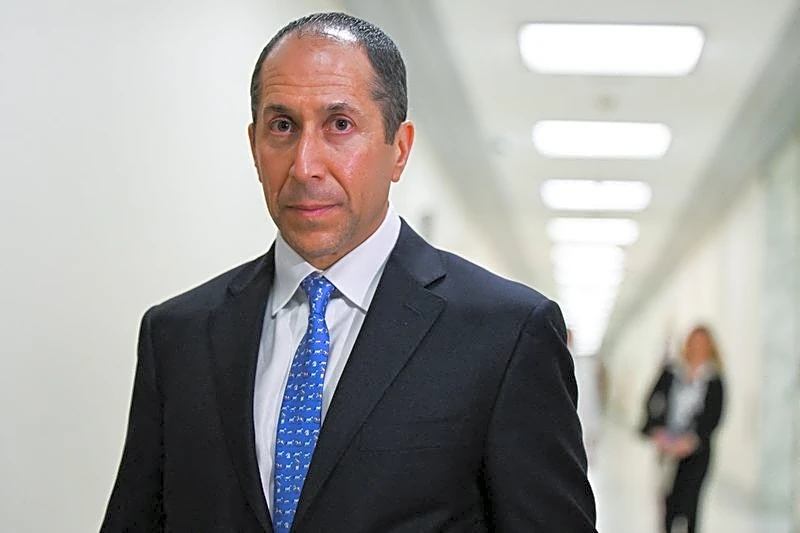
Hedge fund billionaire Glenn Dubin has stepped down from the board of trustees at Mount Sinai hospital, a move that follows increased scrutiny of his relationship with Jeffrey Epstein. His wife, Dr. Eva Andersson-Dubin, who previously dated Epstein, also
resigned earlier this year from the board of Mount Sinai's Icahn School of Medicine. The hospital has been reviewing its ties to Epstein, whose files indicate he held 'VIP' status due to significant donations. The circumstances of the Dubins' departure are unclear, with Mount Sinai stating their terms ended and they did not seek re-election. The Epstein files also reveal an incident where a Mount Sinai doctor reportedly performed a medical procedure on a young Russian woman in Epstein's townhouse after she was injured on his private island, and Epstein's donations were 'earmarked' for the doctor's research.
Why It's Important?
This development highlights the ongoing repercussions of Jeffrey Epstein's activities, extending to prominent institutions and individuals in the U.S. The departure of a major donor and board member like Dubin from a renowned hospital like Mount Sinai underscores the reputational damage and ethical dilemmas faced by organizations linked to Epstein. It raises questions about due diligence, the influence of wealthy donors, and the potential for compromised ethical standards within prestigious institutions. The alleged medical procedure performed in Epstein's home and the 'earmarked' donations further complicate the situation, suggesting a deeper entanglement than previously understood and potentially implicating medical professionals and the hospital itself in facilitating Epstein's illicit activities. This situation could lead to increased public and regulatory scrutiny of how institutions manage relationships with controversial figures.
What's Next?
Mount Sinai is likely to face continued pressure to fully disclose the findings of its internal review regarding its ties to Epstein and to address the ethical implications of the reported incidents. The New York State Department of Health has indicated that the allegations warrant review, suggesting potential investigations into the medical procedure performed in Epstein's home. Lawsuits against institutions linked to Epstein, such as the one against FirstBank Puerto Rico, are ongoing and could set precedents for accountability. The broader implications could include increased calls for transparency from non-profit boards and stricter guidelines for accepting donations from individuals with questionable backgrounds. The public and advocacy groups will likely continue to demand accountability from all entities connected to Epstein.
Beyond the Headlines
The unfolding situation at Mount Sinai reflects a broader societal reckoning with the legacy of Jeffrey Epstein and the networks of power that enabled his actions. It brings to light the ethical responsibilities of institutions, particularly those in healthcare and education, to uphold their values and protect vulnerable individuals. The case raises profound questions about the moral compromises that can occur when institutions prioritize financial gain or prestige over ethical conduct. It also underscores the challenges of disentangling from such associations once they are exposed, and the long-term impact on institutional reputation and public trust. This event could serve as a catalyst for re-evaluating governance structures and ethical frameworks within major U.S. institutions to prevent similar entanglements in the future.