



What's Happening?
The UK government is currently grappling with the complexities of managing asylum seekers, as highlighted by recent developments in migration patterns. According to a report, the net migration to the UK has decreased to levels seen before the COVID-19
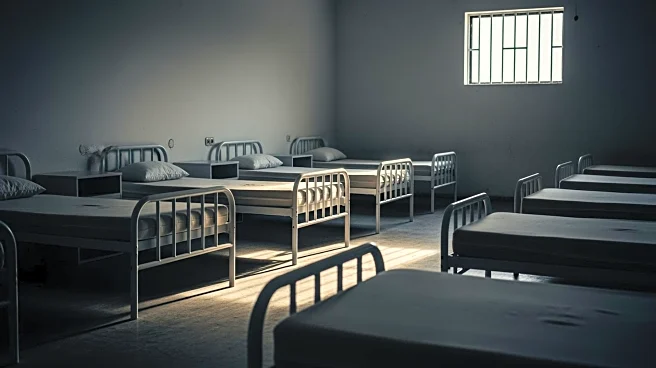
pandemic. This change is accompanied by ongoing challenges related to small boat arrivals and the accommodation of asylum seekers. The Home Office has recently moved 27 asylum seekers into a former army camp in East Sussex, a decision that has sparked discussions about the adequacy and fairness of such accommodations. Additionally, the UK is facing pressure to address illegal crossings in the English Channel, with France making its first interception of small boats heading to the UK. These developments are part of a broader context of migration management, which includes visa regulations and the handling of asylum applications.
Why It's Important?
The situation is significant as it underscores the ongoing challenges faced by the UK in managing migration and asylum processes. The movement of asylum seekers into temporary accommodations like former army camps raises questions about the country's capacity to provide humane and adequate living conditions. Furthermore, the interception of small boats by France highlights the international dimension of migration issues, requiring cooperation between countries to effectively manage and mitigate illegal crossings. The broader implications for the UK include potential impacts on public opinion, policy-making, and international relations, particularly with neighboring countries like France. The handling of these issues could influence the UK's reputation and its ability to manage migration in a way that balances security concerns with humanitarian obligations.
What's Next?
Looking ahead, the UK government is likely to face continued scrutiny over its handling of asylum seekers and migration policies. There may be increased calls for more comprehensive and humane solutions to accommodate asylum seekers, as well as for enhanced cooperation with European partners to address illegal crossings. The government might also need to consider policy adjustments to better manage the balance between security and humanitarian needs. Additionally, public and political pressure could lead to further debates and potential legislative changes aimed at improving the migration system and ensuring fair treatment of asylum seekers.