





What's Happening?
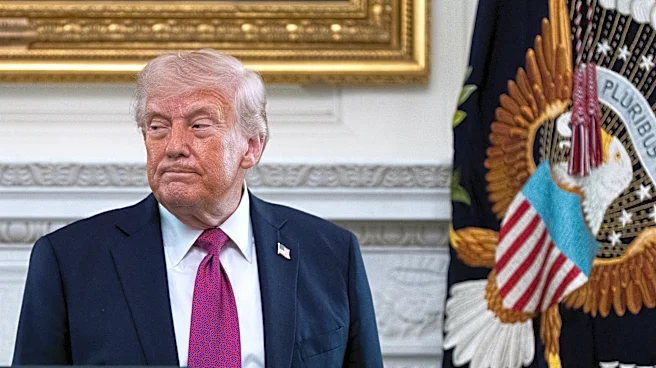
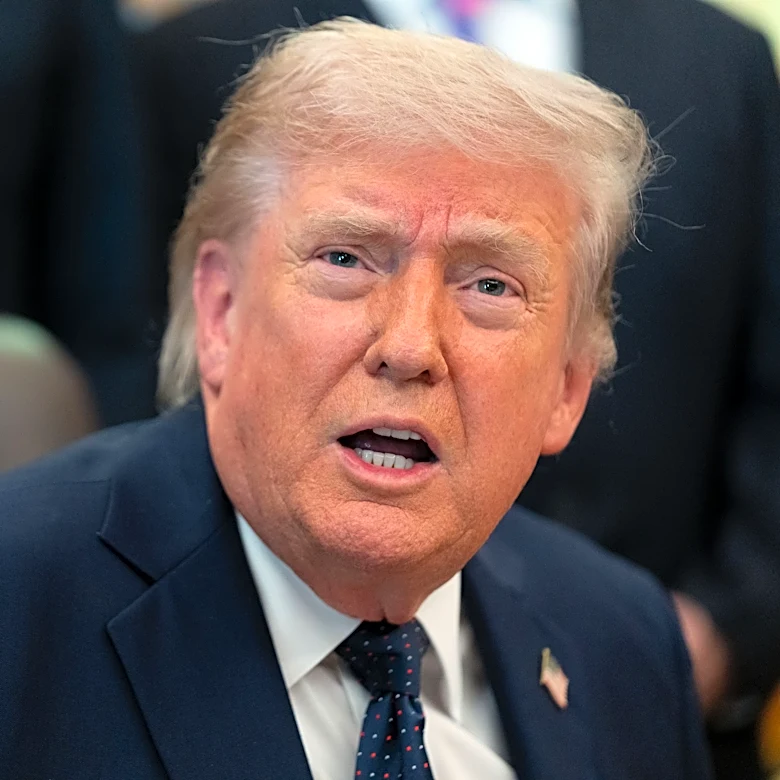
As the conflict in Iran approaches its eighth week, President Trump has refrained from providing a timeline for its resolution. During a press briefing in the Oval Office, he stated, 'Don’t rush me,' indicating a cautious approach to the situation. Meanwhile,
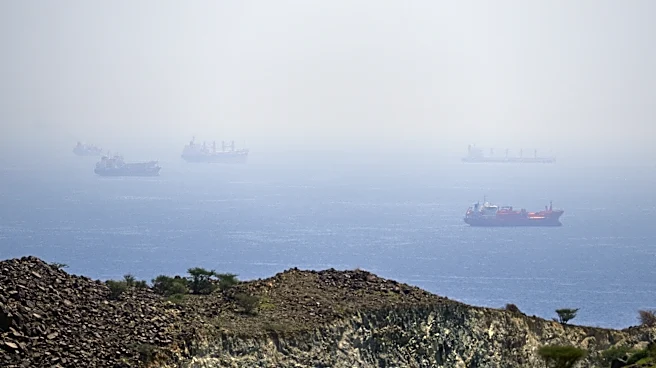
U.S. military officials are reportedly developing contingency plans to target Iran's capabilities in the Strait of Hormuz, should the current ceasefire with Iran collapse. This development comes amid ongoing tensions in the region, with the U.S. seeking to maintain strategic control over critical maritime routes.
Why It's Important?
The ongoing conflict in Iran holds significant implications for global oil markets and regional stability. The Strait of Hormuz is a vital chokepoint for global oil shipments, and any disruption could lead to increased oil prices and economic instability. The U.S. military's preparations underscore the potential for escalation, which could draw in other regional powers and impact international relations. Additionally, the conflict's resolution, or lack thereof, could influence U.S. foreign policy and military strategy in the Middle East, affecting alliances and geopolitical dynamics.
What's Next?
The U.S. military's contingency planning suggests that further developments in the Iran conflict are anticipated. Should the ceasefire fail, increased military engagement could occur, potentially involving allied nations. Diplomatic efforts may intensify to prevent escalation, with possible involvement from international organizations seeking to mediate. The situation remains fluid, with potential impacts on global energy markets and regional security arrangements.