





What's Happening?
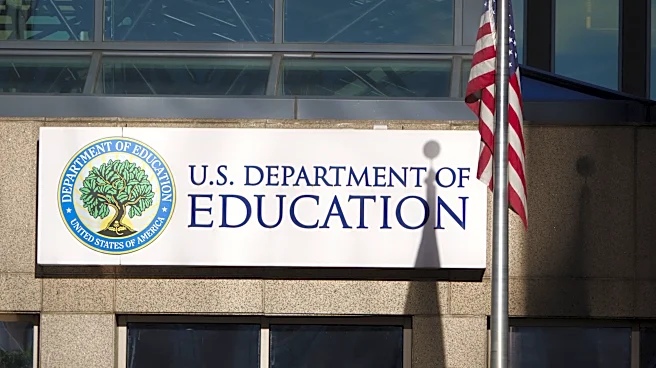
Coppin State University in Baltimore has received a $300,000 grant from the U.S. Department of Education. This funding, provided through the Minority Science and Engineering Improvement Program (MSEIP), is designated to enhance STEM education and workforce
readiness at the university. The grant will support the new STEM Workforce Readiness and Retention Initiative (STEM-WRRI), a comprehensive program aimed at improving student retention and graduation rates in STEM fields. The initiative will expand academic advising, mentoring, tutoring, and professional development opportunities. It will also connect students with paid undergraduate research experiences, internships, and specialized training in emerging technologies such as machine learning and data analytics. A key component of STEM-WRRI is the establishment of a new STEM Resource Center, which will serve as a central hub for academic support, undergraduate research, career development, and collaboration among students, faculty, and industry partners. Dr. Mintesinot Jiru, Interim Dean of the College of Arts and Sciences and Education, and Dr. Angela L. Williams, Executive Director of Title III Programs, highlighted the importance of this investment in providing meaningful opportunities for students to excel in STEM disciplines.
Why It's Important?
This grant is significant for several reasons, primarily its potential to bolster the U.S. STEM workforce, particularly by supporting minority students. By strengthening academic resources, research experiences, and career development opportunities at Coppin State University, the initiative addresses the critical need for a diverse and skilled workforce in science, technology, engineering, and mathematics. The focus on retention and graduation rates, coupled with hands-on learning and career preparation in high-demand fields, directly contributes to national efforts to maintain competitiveness in technological innovation. The establishment of a STEM Resource Center will create a sustainable infrastructure for student success, ensuring that future generations of Coppin students benefit from enhanced educational pathways. This investment not only empowers individual students but also strengthens the university's capacity to contribute to the broader U.S. economy and scientific advancement, ultimately benefiting industries reliant on STEM talent.
What's Next?
The STEM Workforce Readiness and Retention Initiative (STEM-WRRI) will proceed with the implementation of its planned programs and the establishment of the new STEM Resource Center. The interdisciplinary team leading STEM-WRRI, including Dr. Mintesinot Jiru, Dr. Emmanuel Atta-Obeng, and Dr. Rachel Leander, will oversee strategies to improve academic achievement, increase participation in undergraduate research, and strengthen connections between classroom learning and workforce expectations. Faculty development through workshops and professional learning opportunities will also be supported to encourage innovative teaching practices. The initiative is expected to increase student engagement and improve retention and graduation outcomes in STEM disciplines. Furthermore, it aims to expand access to professional experiences, preparing graduates for employment in growing scientific and technology sectors. The long-term goal is to establish sustainable improvements in STEM education at Coppin State University that extend beyond the grant period.
Beyond the Headlines
The U.S. Department of Education's grant to Coppin State University underscores a broader national commitment to addressing disparities in STEM education and workforce participation. By targeting a Minority-Serving Institution, this funding highlights the strategic importance of fostering talent from underrepresented groups to ensure a more inclusive and robust STEM pipeline. The emphasis on 'workforce readiness' and 'retention' reflects an understanding that simply attracting students to STEM is not enough; comprehensive support systems are crucial for their success and eventual entry into the professional world. This initiative could serve as a model for other institutions seeking to enhance their STEM programs, demonstrating how targeted investments can yield significant returns in terms of student achievement and national economic competitiveness. The focus on emerging technologies like machine learning and data analytics also signals an awareness of future industry demands, preparing students for the evolving landscape of the global economy.