


What's Happening?
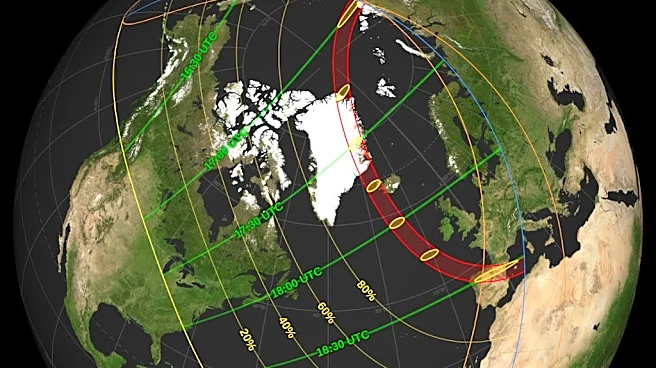
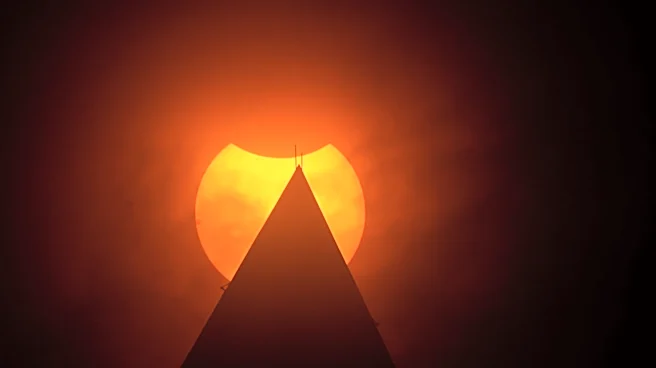
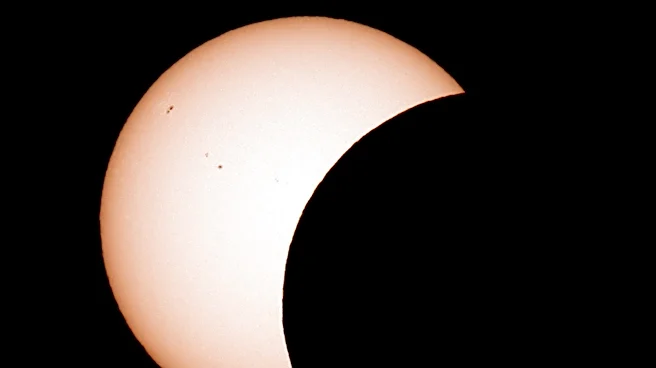
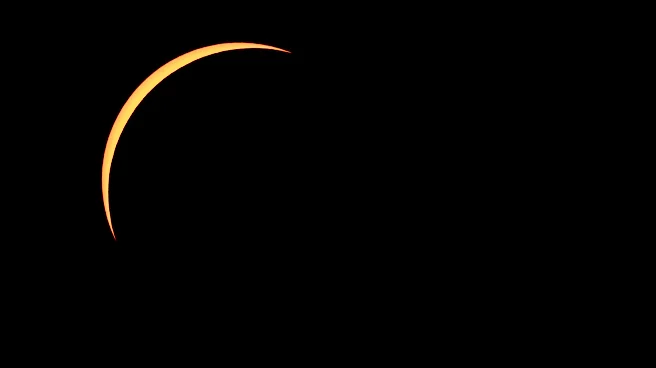
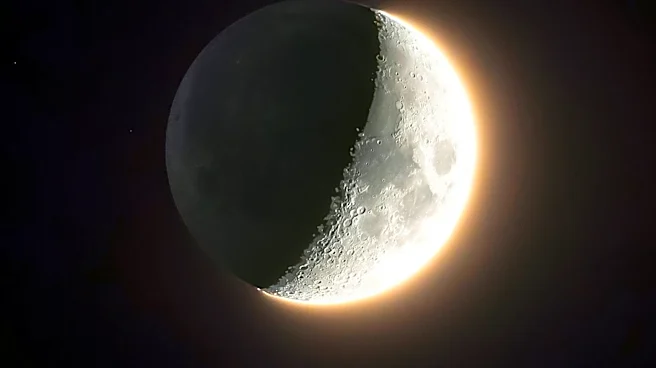
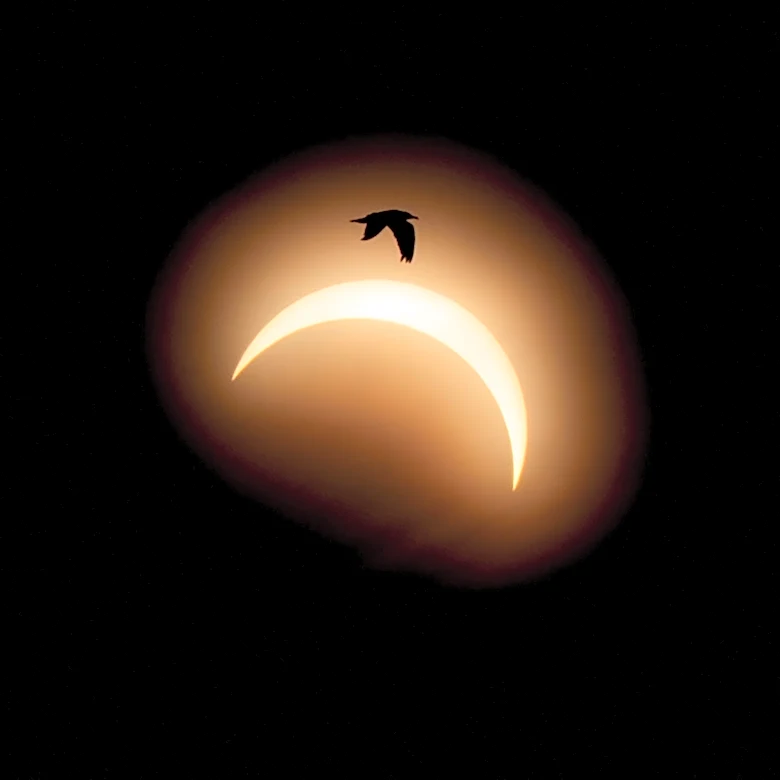
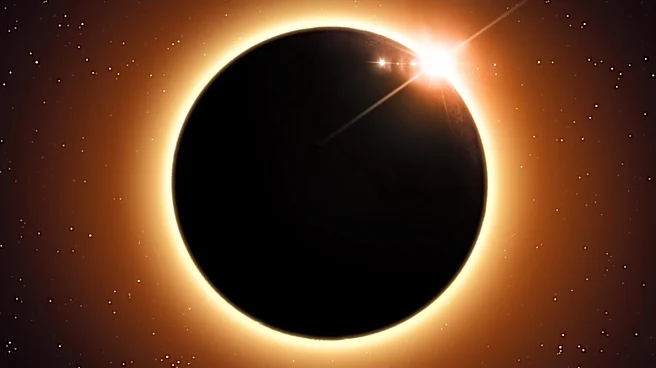
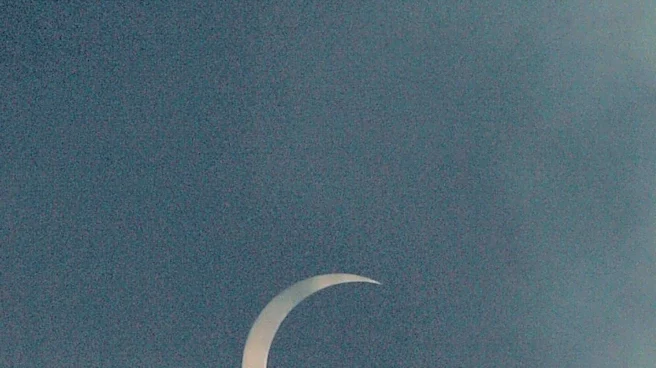
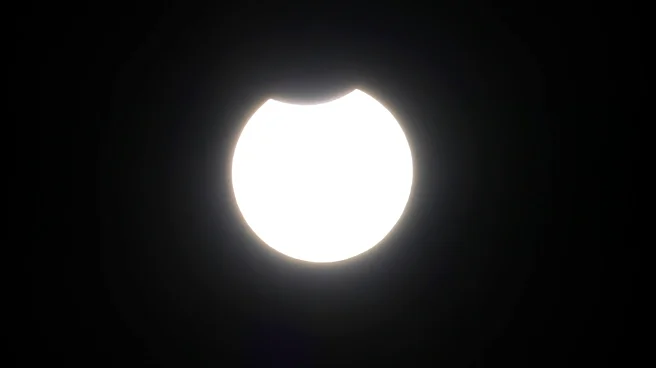
A total solar eclipse is set to occur on August 12, 2026, with the path of totality crossing Greenland, Iceland, northern Russia, the Atlantic Ocean, Spain, and a small portion of Portugal. In the United States, only a partial solar eclipse will be visible,
primarily across the northern states. According to NASA, the eclipse will begin around 9:34 a.m. MT/10:34 CT and end around 12:52 p.m. MT/1:52 p.m. CT. Alaska will experience the most coverage, with over 20% of the sun obscured, while cities in New England and New York will see between 10-20% coverage. Texas, however, is not expected to witness the partial eclipse. USA TODAY will provide a livestream of the event on YouTube, starting at 6 a.m. MT/7 a.m. CT.
Why It's Important?
Solar eclipses are significant astronomical events that capture public interest and provide opportunities for scientific observation and education. This partial eclipse offers a chance for residents in the northern U.S. to experience a rare celestial event, fostering interest in astronomy and science. The event also highlights the importance of public engagement in science, as media outlets like USA TODAY provide live coverage to make the eclipse accessible to a broader audience. Additionally, solar eclipses can have cultural and historical significance, as they have been observed and recorded by civilizations throughout history.
What's Next?
As the eclipse approaches, educational institutions and science organizations may organize viewing events and educational programs to engage the public. These events can provide safe viewing opportunities and educational materials to enhance understanding of solar eclipses. Additionally, scientists may use the eclipse to conduct research on solar phenomena, taking advantage of the unique conditions created by the eclipse. Public interest in the event may also lead to increased discussions about astronomy and space exploration, potentially inspiring future generations of scientists and astronomers.