



What's Happening?
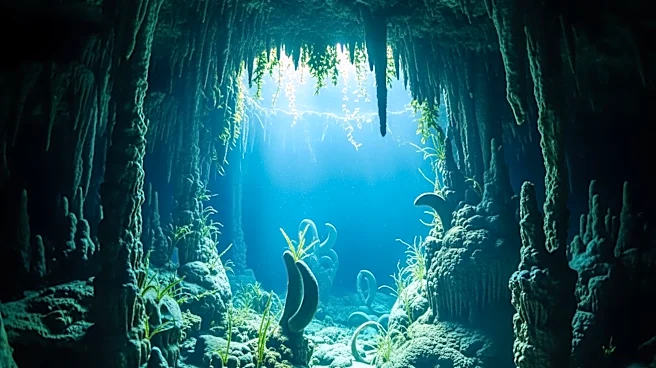
Scientists have uncovered a unique subterranean ecosystem within the porous limestone of the Yucatan Peninsula, dependent on a genus of cave shrimps known as Typhlatya. This ecosystem, millions of years in the making, thrives in the anchialine systems
of the Yucatan, where fresh and saltwater mix in underground caves and sinkholes. The absence of sunlight restricts plant life, making the ecosystem reliant on organic matter decomposing above ground, which forms methane consumed by bacteria. These bacteria, in turn, support the shrimp population, which is a keystone species in this ecosystem.
Why It's Important?
The discovery of this ecosystem highlights the intricate balance of life in extreme environments and the role of keystone species in maintaining ecological stability. The Yucatan's anchialine systems are under threat from rapid urbanization, which could disrupt the delicate balance by affecting the organic matter necessary for the ecosystem's survival. Understanding these systems is crucial for conservation efforts and underscores the importance of preserving natural habitats from human-induced changes.
What's Next?
Conservationists and scientists are likely to advocate for measures to protect the Yucatan's anchialine systems from urbanization. This may involve implementing stricter environmental regulations and promoting sustainable development practices. Further research is needed to fully understand the ecosystem's dynamics and develop effective conservation strategies. Public awareness campaigns could also play a role in highlighting the importance of these unique ecosystems.
Beyond the Headlines
The study of the Yucatan's subterranean ecosystems offers insights into evolutionary biology and the adaptability of life in extreme conditions. It also raises ethical considerations regarding human impact on natural environments and the responsibility to preserve biodiversity. The findings could influence future policies on land use and environmental protection, emphasizing the need for a balance between development and conservation.