



What's Happening?
President Donald Trump has expressed a desire to compensate individuals involved in the January 6 Capitol riot, despite the controversy surrounding their actions. The proposed $1.8 billion 'Anti-Weaponization Fund' intended to support Trump's allies is
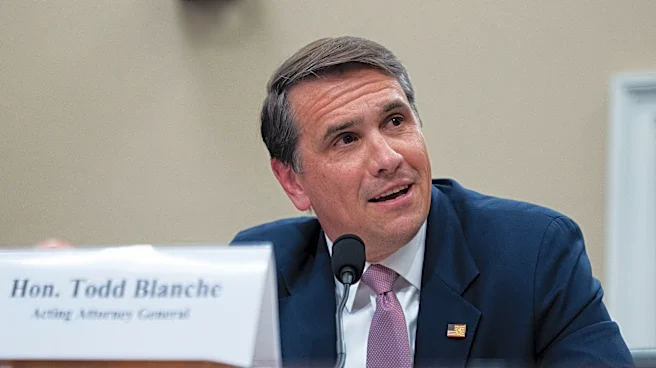
reportedly not advancing, according to acting Attorney General Todd Blanche. However, Trump continues to advocate for financial restitution for those he claims were wrongfully targeted by the government. Legal experts suggest that while winning a malicious prosecution claim is challenging, settlements could be a viable path for compensation. Some Jan. 6 defendants, including those with criminal records, are pursuing government payouts, alleging mistreatment and unfair prosecutions. The Justice Department is expected to address the status of the fund in an upcoming court appearance.
Why It's Important?
The potential compensation for Jan. 6 rioters raises significant legal and ethical questions. If the government proceeds with settlements, it could set a precedent for how similar cases are handled in the future, impacting public trust in the justice system. The move could also influence political dynamics, as it aligns with Trump's narrative of government overreach and could galvanize his base. Conversely, it may provoke backlash from those who view the rioters' actions as criminal and deserving of punishment. The situation underscores the complexities of balancing justice, political influence, and public perception in high-profile cases.
What's Next?
The Justice Department's upcoming court appearance will be crucial in determining the future of the 'Anti-Weaponization Fund' and the potential for settlements. If the fund is not advanced, defendants may still pursue compensation through settlements, which could involve negotiations with the government. The outcome could influence future legal strategies for similar cases and impact the broader discourse on accountability and justice for the events of January 6. Stakeholders, including political leaders and civil society groups, are likely to respond based on the court's decision and the administration's actions.