








What's Happening?
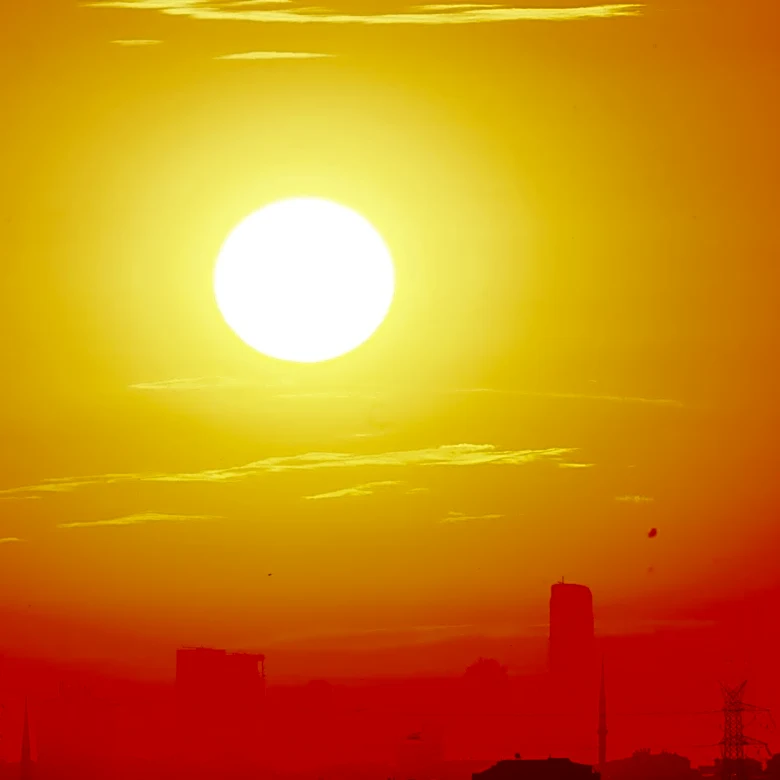
Heat domes, high-pressure systems that trap heat and humidity, are causing extreme and prolonged heat waves across the United States. These phenomena are becoming more severe and frequent due to global warming. In March 2026, the U.S. experienced its
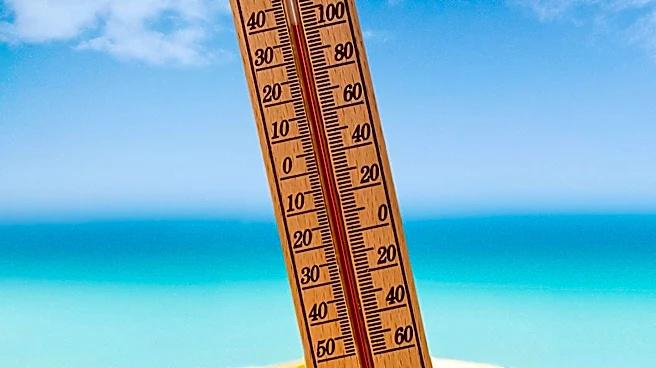
hottest month in 132 years, with record temperatures in the Southwest and other regions. The Eastern U.S. is expected to face a significant heat wave, while the Southwest is already experiencing temperatures around 100 degrees Fahrenheit. Experts attribute these conditions to climate change, driven by human activities such as burning fossil fuels and deforestation.
Why It's Important?
The increasing frequency and intensity of heat domes highlight the urgent need to address climate change. These extreme weather events pose significant risks to public health, agriculture, and infrastructure. Prolonged heat waves can lead to heat-related illnesses and fatalities, strain energy resources due to increased demand for cooling, and impact food production. The situation underscores the importance of implementing policies to reduce greenhouse gas emissions and enhance climate resilience. Communities, especially those without adequate cooling resources, are particularly vulnerable to these conditions.
What's Next?
As heat waves become more common, there is a growing need for adaptive measures to protect vulnerable populations. Cities may need to expand cooling centers and invest in infrastructure to withstand extreme temperatures. Policymakers are likely to face increased pressure to enact climate policies aimed at reducing emissions and promoting renewable energy. Public awareness campaigns about heat safety and the impacts of climate change may also become more prevalent. The ongoing situation could influence future climate negotiations and policy decisions at both national and international levels.