






What's Happening?
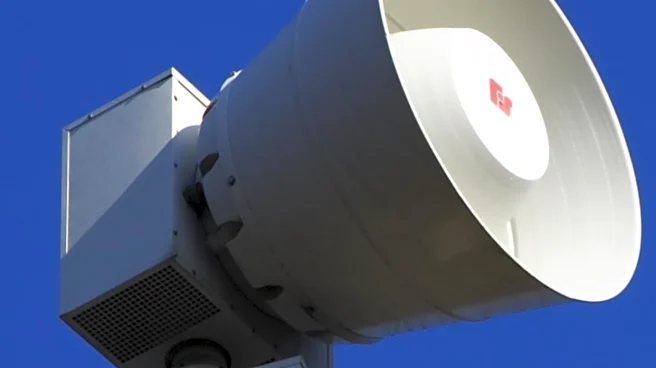
On September 22, the city of Ann Arbor approved a $55,870 investment for the maintenance of its outdoor emergency warning siren system. This system is designed to alert residents to various emergencies, including tornadoes, severe weather with high winds,
hazardous material spills, and national threats, using a consistent wailing tone for all alerts. City officials had previously considered decommissioning the system due to maintenance costs, which were estimated at approximately $60,000 annually for the next three years and an additional $17,000 per year for ongoing upkeep. However, overwhelming community feedback, gathered through a survey that received nearly 3,900 responses, indicated strong support for retaining the sirens. The decision to maintain the system was announced hours after two EF-1 tornadoes struck Ann Arbor on April 15, causing significant damage, though officials stated the decision was made prior to the storms based on public input. The funding will be used to replace older components, including five aging siren controllers and cabinets, across the city's 22 existing sirens, with West Shore Services Inc. overseeing the upgrades.
Why It's Important?
The decision by the Ann Arbor City Council to invest in its emergency siren system highlights a critical aspect of public safety infrastructure and community resilience. In an era where digital alerts via cell phones are prevalent, the community's strong preference for maintaining physical sirens underscores the perceived reliability and accessibility of multiple warning methods. This is particularly important for vulnerable populations, such as senior citizens or individuals who may not have immediate access to their phones, or whose phones might be uncharged or out of reach during an emergency. The recent tornado events in Ann Arbor serve as a stark reminder of the unpredictable nature of severe weather and the necessity of robust, multi-layered warning systems. The investment ensures that a vital component of the city's emergency preparedness remains operational, potentially saving lives and minimizing injuries by providing timely alerts that complement digital notifications.
What's Next?
The approved $55,870 investment will facilitate the immediate replacement of aging components within Ann Arbor's 22 emergency sirens, with West Shore Services Inc. managing the upgrades. This action ensures the continued functionality of the outdoor warning system for the foreseeable future. The city will likely continue to monitor the effectiveness of both its siren system and digital alert platforms, such as Wireless Emergency Alerts and A2 Emergency Alerts, to ensure comprehensive coverage. Future discussions may involve ongoing funding for maintenance and potential technological enhancements to integrate the siren system more seamlessly with other emergency communication channels. The community's strong advocacy for the sirens suggests that any future proposals to alter or decommission the system would face similar public scrutiny and require substantial justification.
Beyond the Headlines
This decision reflects a broader societal discussion about the balance between traditional and modern emergency communication methods. While mobile technology offers personalized and location-specific alerts, the Ann Arbor case demonstrates that many citizens still value the universal, immediate, and undeniable nature of an outdoor siren. This preference points to a psychological comfort and a perceived reliability that digital alerts alone may not fully provide, especially in situations where power outages or network disruptions are possible. The emphasis on 'overlapping methods' for warnings suggests a recognition that no single system is foolproof, and a diversified approach to public safety communication is essential for maximizing reach and effectiveness across diverse demographics and circumstances. This could influence other municipalities to re-evaluate their own emergency warning infrastructures, considering community sentiment alongside technological advancements and cost-efficiency.