



What's Happening?
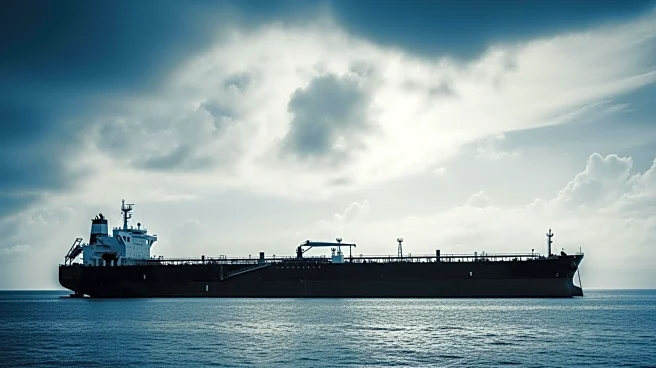
U.S. forces have seized an oil tanker named 'The Skipper' in international waters off the coast of Venezuela. The vessel was carrying Venezuelan crude oil and was reportedly headed to Cuba, with an ultimate destination in Asia. The Skipper, previously
known as the Adisa, had been sanctioned by the U.S. in 2022 for facilitating oil trades for Hezbollah and Iran’s Islamic Revolutionary Guard Corps-Quds Force. The seizure was conducted without incident or casualties, according to a senior U.S. official. The tanker was flying a Guyana flag, although it was not registered in Guyana, raising further suspicions about its activities.
Why It's Important?
The seizure of The Skipper highlights ongoing U.S. efforts to enforce sanctions against entities involved in illicit oil trading, particularly those linked to Iran and Venezuela. This action underscores the U.S. commitment to curbing activities that violate international sanctions and could have broader implications for global oil markets. For Venezuela, this represents another setback in its attempts to circumvent U.S. sanctions and sell its crude oil on the international market. The incident may also strain diplomatic relations between the U.S. and countries involved in the tanker’s operations, such as Guyana and Cuba.
What's Next?
Following the seizure, the U.S. is likely to continue monitoring and intercepting vessels suspected of violating sanctions. This could lead to increased tensions with countries that are seen as facilitating these trades. The international community, particularly nations involved in oil trading, will be watching closely to see how the U.S. enforces its sanctions and whether this will lead to further diplomatic or economic actions. The situation may also prompt discussions on the effectiveness and impact of sanctions as a tool for international policy enforcement.