





What's Happening?
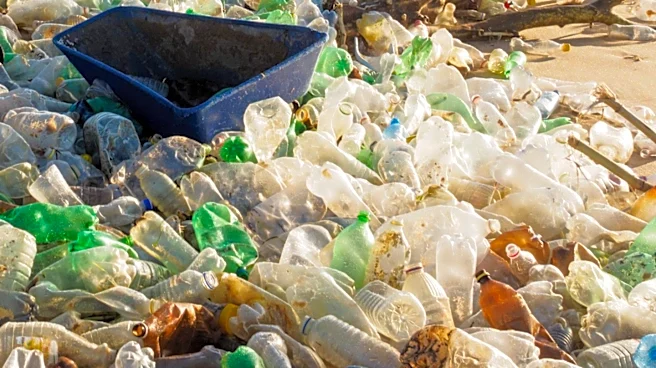
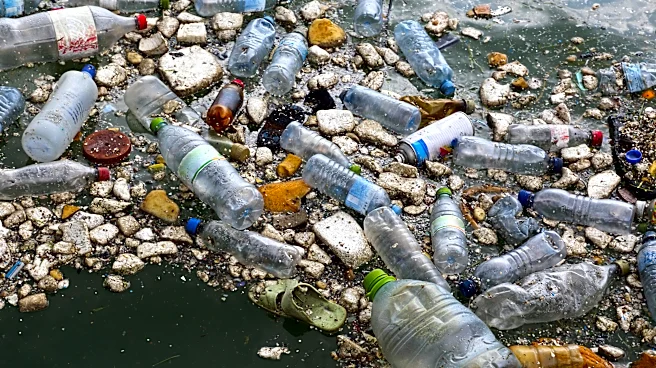
A new study published in the peer-reviewed journal ACS ES&T Water indicates that plastic waste entering the Great Lakes and oceans often originates far from shorelines, with half of the plastic bottles coming from at least 10 miles and up to 120 miles away.
Researchers tracked plastic smoothie shakers equipped with GPS devices tossed into rivers across the U.S. and Canada, including the Chicago River. The findings suggest that cities and towns located upstream play a significant role in plastic pollution, challenging the traditional focus on shoreline cleanups. For instance, one shaker released into the Don River in Toronto traveled nearly 230 miles across Lake Ontario to Rochester, New York. This research is part of a broader initiative to raise public awareness and advocate for policy changes regarding plastic pollution.
Why It's Important?
This study fundamentally shifts the understanding of plastic pollution sources, highlighting that the problem is not confined to coastal or lakeside communities. It underscores the interconnectedness of waterways and the far-reaching impact of local actions. For the U.S., particularly states bordering the Great Lakes, this means that efforts to combat plastic pollution must extend far inland, involving communities that may not perceive themselves as directly contributing to marine or lake pollution. The findings have significant implications for public policy, suggesting the need for broader, regional strategies that include upstream waste management, improved infrastructure, and public education campaigns in inland areas. This could lead to new regulations or incentives for communities to manage plastic waste more effectively, impacting local economies and environmental initiatives.
What's Next?
The study's findings are expected to fuel calls for more comprehensive and geographically expansive approaches to plastic pollution control. Policymakers may consider implementing measures such as bottle deposit programs, which the study's lead author, Britta Baechler, suggests are effective in giving plastic value and reducing litter. There could be increased pressure on upstream municipalities to improve waste collection and recycling infrastructure. Further research may focus on identifying specific pathways and accumulation zones for plastic waste in river systems. Additionally, public awareness campaigns are likely to emphasize individual responsibility in preventing litter, regardless of proximity to major water bodies, potentially leading to shifts in consumer behavior and local waste management practices across the U.S.
Beyond the Headlines
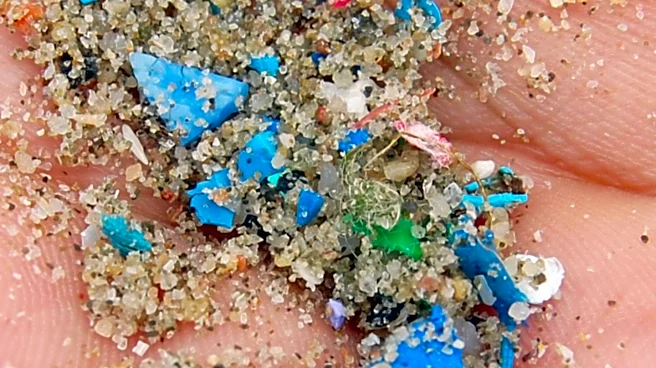
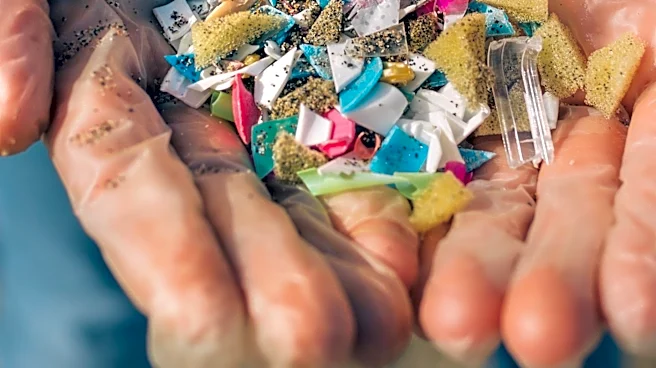
The study's revelation that plastic waste travels vast distances before reaching major water bodies highlights a critical environmental justice issue, as upstream communities' waste management practices can disproportionately affect downstream ecosystems and populations. It also points to the complex interplay between human activity, hydrology, and climate change, as more intense storms can flush plastic farther downstream. The breakdown of macroplastics into micro- and nanoplastics, which are increasingly linked to human health issues, adds another layer of urgency. This research could prompt a re-evaluation of existing environmental regulations and foster greater inter-jurisdictional cooperation in pollution control, moving towards a more holistic and integrated approach to environmental stewardship across the nation's watersheds.