










What's Happening?
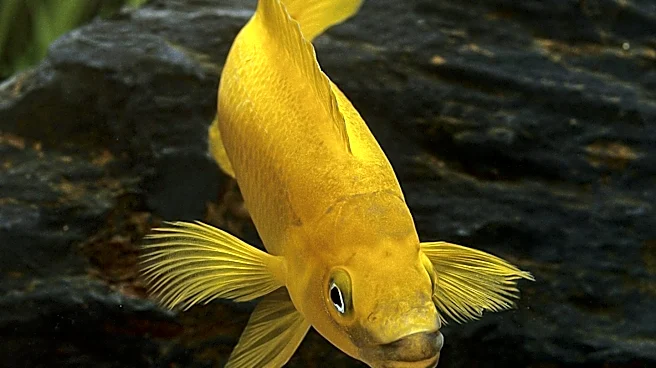
The Minnesota Department of Natural Resources (DNR) has documented 202 fish kill incidents across 99 different water bodies. This surge in reports has been primarily attributed to a prolonged heat wave that has elevated lake temperatures to 88 degrees
Fahrenheit, a level deemed chronically stressful for aquatic life. The heat wave has intensified over the past week, leading to conditions that are detrimental to fish survival. The DNR's findings highlight the vulnerability of aquatic ecosystems to extreme weather events, which are becoming more frequent and severe due to climate change.
Why It's Important?
The increase in fish kills is a significant environmental concern, as it underscores the impact of climate change on aquatic ecosystems. High water temperatures can lead to decreased oxygen levels, which are critical for fish survival. This situation not only affects biodiversity but also has economic implications for industries reliant on healthy fish populations, such as fishing and tourism. The health of these ecosystems is crucial for maintaining ecological balance and supporting local economies. The DNR's reports serve as a warning about the broader implications of climate change on natural resources and the need for adaptive management strategies.
What's Next?
In response to these alarming reports, the Minnesota DNR may need to implement measures to mitigate the impact of future heat waves on aquatic life. This could include strategies such as habitat restoration, water quality monitoring, and public awareness campaigns to reduce human-induced stressors on these ecosystems. Additionally, policymakers might consider integrating climate resilience into environmental regulations to better protect vulnerable species and habitats. The situation calls for collaboration between government agencies, environmental organizations, and local communities to develop sustainable solutions.
Beyond the Headlines
The fish kills in Minnesota highlight a broader environmental challenge: the need to address the root causes of climate change. As global temperatures rise, similar incidents are likely to become more common, affecting not only fish but also other wildlife and plant species. This trend could lead to shifts in ecosystem dynamics, with long-term consequences for biodiversity and human livelihoods. The situation underscores the importance of global efforts to reduce greenhouse gas emissions and transition to sustainable energy sources to mitigate the effects of climate change.