





What's Happening?
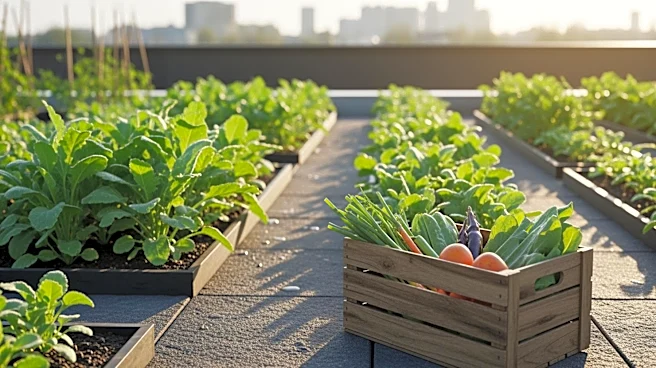
Windy City Harvest, an initiative by the Chicago Botanic Garden, is transforming urban agriculture into a multifaceted approach to community resilience. The program integrates food access, economic opportunity, and community health, challenging the notion
that these are separate issues. Since its inception in 2003, Windy City Harvest has expanded from a single youth farm to a comprehensive ecosystem involving workforce development and healthcare partnerships. A key component is the VeggieRx program, which provides produce prescriptions to improve health outcomes. The program has delivered over 27,000 boxes of fresh produce, prescribed by clinicians at the Lawndale Christian Health Center. This initiative not only addresses food insecurity but also fosters community engagement and personal empowerment, as participants gain access to fresh food and employment opportunities.
Why It's Important?
The Windy City Harvest program is significant as it addresses systemic issues of food insecurity and economic disinvestment in Chicago's South and West Sides. By providing access to fresh produce and stable employment, the program helps build healthier communities and offers pathways to economic stability. The initiative's holistic approach connects food access with job creation and health improvement, creating a sustainable model for community development. This model has the potential to reduce health disparities, particularly in communities of color, by treating access to healthy food as a fundamental component of healthcare. The program's success could serve as a blueprint for other urban areas facing similar challenges.
What's Next?
Looking forward, Windy City Harvest aims to scale its model across Chicago, envisioning a city where local food systems are integral to community infrastructure. The program plans to expand its partnerships and continue leveraging the institutional support of the Chicago Botanic Garden to enhance its impact. As the program grows, it seeks to increase public and philanthropic investment to sustain and expand its initiatives. The long-term goal is to create a resilient Chicago where access to fresh food and economic opportunities are the norm, contributing to a healthier and more equitable urban environment.
Beyond the Headlines
The transformation of dormant city land into productive urban farms has broader implications beyond food production. It signals investment in neighborhoods that have experienced long-term disinvestment, fostering a sense of community pride and possibility. The psychological impact of green spaces can enhance feelings of safety and reduce stress, contributing to overall well-being. Additionally, the program's focus on training local residents in sustainable agriculture and entrepreneurship empowers individuals to become leaders in the local food movement, promoting long-term community resilience and self-sufficiency.