







What's Happening?
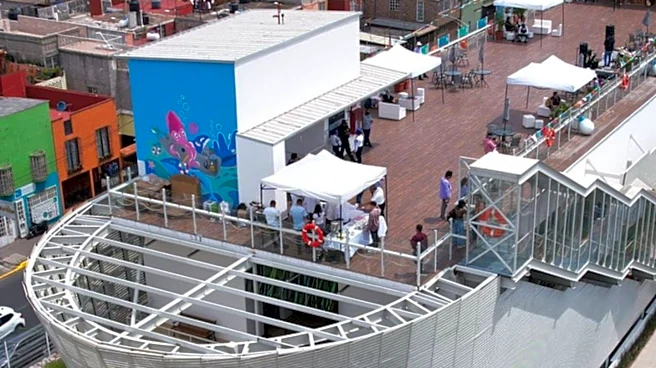
Mexico City has opened its first Espacio HOPE mental health center in the Granada neighborhood of the Miguel Hidalgo borough on October 29, 2026. This center provides licensed 60-minute therapy sessions for 100 Mexican pesos (under $5 USD), with same-day
scheduling available seven days a week. Founded by psychologist Mafer Olvera, Espacio HOPE offers individual, couple, family, and group therapy using a cognitive-behavioral model for patients aged 12 through senior adulthood. Since its digital platform launched in June 2026, HOPE has conducted over 1,000 sessions with a high patient satisfaction rate. The initiative aims to address the significant cost barrier to mental health care in Mexico City, where private therapy typically ranges from 500 to over 2,000 pesos per hour. The inauguration was attended by various public, academic, and cultural figures, including Miguel Hidalgo borough mayor Mauricio Tabe and actress Irene Azuela.
Why It's Important?
The opening of Espacio HOPE is a significant development in addressing the mental health crisis in Mexico, particularly among young people. One in three young Mexicans experiences significant anxiety symptoms, and suicide is a leading cause of death for adolescents aged 15 to 19. The high cost of private therapy has made professional mental health care inaccessible for millions. By offering sessions at a fraction of the typical price and without waitlists, Espacio HOPE removes a major barrier to treatment. This initiative could serve as a model for other regions facing similar challenges, potentially improving public health outcomes and reducing the societal burden of untreated mental illness. The focus on affordability and accessibility underscores a growing recognition of mental health as a fundamental right, not a luxury.
What's Next?
Mafer Olvera, the founder and director general of HOPE, has expressed plans to expand the Espacio HOPE model to every borough in Mexico City and eventually to cities nationwide. This expansion would significantly broaden access to affordable mental health services across Mexico. The center also plans to establish itself as a training hub for psychology professionals and continues to offer virtual care services, extending its reach beyond the physical location. The success of this initial center and its digital platform will likely influence future public health policies and private sector initiatives aimed at making mental health care more equitable and available to a wider population.
Beyond the Headlines
The Espacio HOPE initiative highlights a broader societal shift towards destigmatizing mental health care and recognizing its importance. By framing mental well-being as a right rather than a luxury, the center challenges traditional perceptions and economic barriers. The involvement of cultural figures and public officials in the inauguration also signals a growing collective effort to support mental health. This development could inspire similar movements in other countries where mental health services are often expensive and difficult to access, potentially leading to a re-evaluation of healthcare priorities and funding models globally. The emphasis on a cognitive-behavioral approach also suggests a commitment to evidence-based practices in accessible care.