





What's Happening?
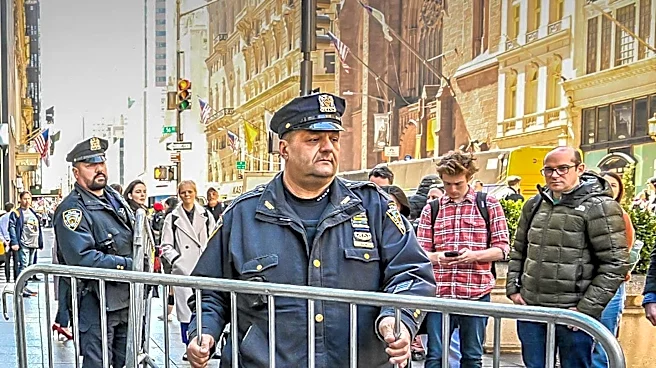
The New York Police Department (NYPD) has apprehended two separate groups of individuals for unauthorized underground incursions in Upper Manhattan. In one incident on September 29, witnesses reported two individuals entering a manhole on Nagle Avenue
near Dyckman Street. Responding officers found a man in a car nearby and subsequently arrested two other men who appeared wet. Wilfredo Teran Briceno, 23, Guenis Martinez, 33, and Xavier Guevara Lizcano, 24, were charged with criminal trespass. Martinez and Briceno admitted to searching for jewelry underground, while Lizcano stated he was paid $200 to drive them. A separate incident on October 4 at West 218th Street and Indian Road led to the arrest of Jean Rosa, 31, and Luis Chaparro, 28, also on criminal trespass charges. All suspects were released on their own recognizance as the charges are not bail-eligible. These arrests follow multiple sightings of individuals emerging from manholes across various New York City boroughs this year, including Queens, Brooklyn, and near Penn Station.
Why It's Important?
The recurring incidents of individuals entering and emerging from New York City's underground infrastructure raise significant concerns regarding public safety, security, and the integrity of critical urban systems. Unauthorized access to manholes and subterranean networks could pose risks such as damage to essential utilities, potential for criminal activity, or even acts of vandalism or terrorism. The 'mole people' phenomenon, as it's been dubbed, highlights vulnerabilities in urban infrastructure security and the challenges authorities face in monitoring and controlling access to the vast underground labyrinth beneath the city. While the stated motive in these cases was searching for jewelry, the broader implications of unmonitored subterranean activity could range from infrastructure disruption to more serious threats, impacting the daily lives of millions of New Yorkers and potentially requiring increased resource allocation for surveillance and enforcement.
What's Next?
Authorities are expected to continue investigating the motivations and potential broader networks behind these manhole incursions. The NYPD may increase patrols or surveillance around known entry points to the city's underground systems. Given the non-bail-eligible nature of the criminal trespass charges, the legal proceedings for the arrested individuals will likely continue through the court system. The ongoing nature of these incidents suggests that a more comprehensive strategy might be needed to address the issue, potentially involving inter-agency cooperation to secure subterranean access points and deter future unauthorized entries. Public awareness campaigns might also be considered to encourage citizens to report suspicious activities related to manholes and underground infrastructure.
Beyond the Headlines
Beyond the immediate arrests, the 'mole people' phenomenon touches upon deeper societal issues within New York City, including potential homelessness, economic desperation, or even subcultures exploring urban environments. The allure of finding valuables in the sewers, as stated by some arrestees, points to a desperate search for resources. The repeated nature of these incidents across different boroughs suggests a systemic challenge rather than isolated events. This situation could prompt discussions on urban exploration, the security of public utilities, and the social factors that drive individuals to engage in such risky and illicit activities. It also highlights the hidden aspects of urban life, where a complex world exists beneath the bustling streets, largely unseen and often unregulated.