










What's Happening?
350.org, a nonprofit organization focused on combating climate change, is experiencing financial difficulties, leading to a suspension of some U.S. operations and a reduction in global staffing. Founded by Bill McKibben, the organization has been a prominent
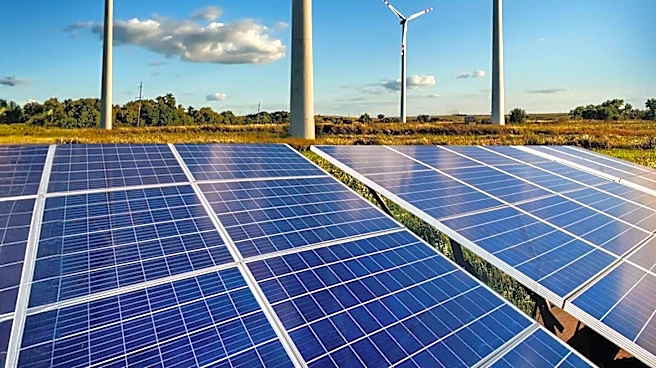
advocate for renewable energy and has opposed projects like the Keystone XL pipeline. Despite its global reach, 350.org has faced criticism for its campaigns in regions like Africa, where access to reliable energy remains limited. The organization reported a significant drop in income and has had to cut back on its programming and workforce. This financial strain comes as 350.org continues to push for a shift away from fossil fuels towards renewable energy sources.
Why It's Important?
The financial challenges faced by 350.org highlight the difficulties that environmental organizations can encounter in sustaining their operations while advocating for significant policy changes. The organization's efforts to promote renewable energy and oppose fossil fuels have had a substantial impact on public discourse and policy, particularly in the U.S. However, the reduction in its operations may affect its ability to influence future energy policies and climate change initiatives. This situation underscores the broader challenges faced by nonprofits in maintaining financial stability while pursuing ambitious global campaigns.
What's Next?
As 350.org navigates its financial difficulties, it may need to reassess its strategies and focus on securing additional funding to continue its advocacy work. The organization might also explore partnerships with other environmental groups to bolster its efforts. The financial strain could lead to a reevaluation of its global campaigns, potentially shifting focus to regions where it can have the most impact. Additionally, the situation may prompt discussions within the environmental movement about sustainable funding models and the balance between global advocacy and local impact.