





What's Happening?
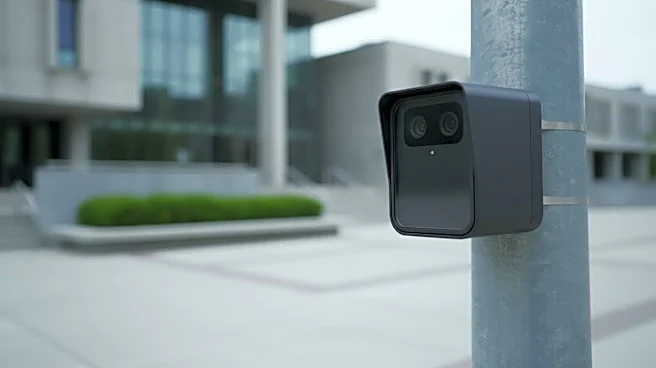
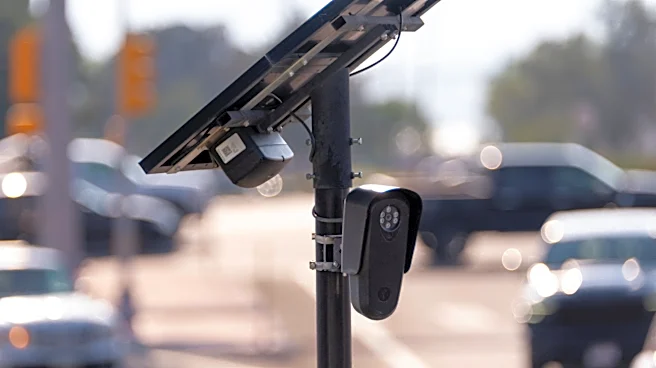
A recent poll conducted by Spry Strategies, a local Republican polling firm, reveals that 58% of Knox County residents reject the use of Flock Safety surveillance cameras by police. The survey of 350 likely voters found widespread awareness of the controversy
surrounding these AI-enabled license plate readers and surveillance cameras. Opposition to the cameras crosses party lines, with 49% of Republicans, 75% of Democrats, and 58% of independents expressing disapproval. This sentiment makes support for Flock cameras a potential liability for candidates, as 55% of respondents indicated they would be less likely to vote for someone who supports them. The Knox County Sheriff's Office had previously contracted with Flock and installed cameras, but the rollout was paused by outgoing Sheriff Tom Spangler. The company has since announced new privacy and data protection features in response to public concerns, including instances where officers allegedly abused the system to track personal contacts. Knox County commissioners are scheduled to hold a public meeting on August 24 with representatives from Flock and the Sheriff's Office to address questions, and a vote on banning the cameras is anticipated on August 31.
Why It's Important?
This widespread opposition to surveillance technology in Knox County highlights a growing national debate regarding privacy, civil liberties, and the use of AI in law enforcement. The poll's findings suggest that public sentiment against such technologies can significantly influence local elections and policy decisions, potentially impacting candidates who support their implementation. For instance, U.S. Senator Marsha Blackburn, who is running for governor and supported the use of license plate readers and Flock cameras in a Nashville Banner survey, faces a constituency that largely opposes these devices. While she emphasized balancing public safety with privacy, the poll indicates that voters are increasingly scrutinizing candidates' stances on surveillance. The controversy also underscores the challenges faced by technology companies like Flock Safety in gaining public trust, especially after reports of misuse. The demand for transparency regarding data storage, access, and usage policies is a critical factor for public acceptance, indicating that a lack of clear guidelines can fuel bipartisan opposition and lead to calls for reform rather than outright bans.
What's Next?
Knox County commissioners, along with representatives from Flock Safety and the Knox County Sheriff's Office, are scheduled to hold a public meeting on August 24 to address questions about the surveillance system. This meeting is expected to be a crucial forum for discussing data privacy policies, including who has access to the data, how long it is stored, and who can request to see it. Following this, the commissioners are slated to vote on August 31 on whether to ban the cameras and license plate readers. The outcome of this vote could set a precedent for other counties grappling with similar issues. The strong public opposition, particularly the bipartisan nature of it, suggests that a policy path focusing on reform and transparency, rather than an outright ban, might be considered. Candidates in upcoming elections, including Senator Marsha Blackburn, will likely need to carefully consider their positions on surveillance technology, as voter sentiment indicates that support for Flock cameras could be a significant electoral liability.
Beyond the Headlines
The controversy surrounding Flock Safety cameras in Knox County extends beyond immediate policy decisions, touching upon deeper societal implications concerning the balance between public safety and individual privacy in an increasingly surveilled world. The bipartisan opposition suggests a fundamental concern across the political spectrum about the potential for government overreach and the misuse of advanced surveillance technologies. The incident in Sullivan County, where a commissioner called for extreme measures against the Flock CEO, highlights the intensity of public frustration and distrust when transparency and accountability are perceived to be lacking. This situation could catalyze broader discussions about the ethical frameworks governing AI-powered surveillance, the need for robust data protection laws, and the role of local communities in shaping technology adoption. It also underscores the evolving nature of privacy in the digital age, where the collection and retention of personal data, even for public safety, can lead to significant public backlash if not managed with utmost transparency and clear safeguards against abuse. The demand for 'secure guardrails' rather than a complete removal of cameras indicates a desire for responsible innovation, where technology serves the public good without eroding fundamental rights.