

What's Happening?
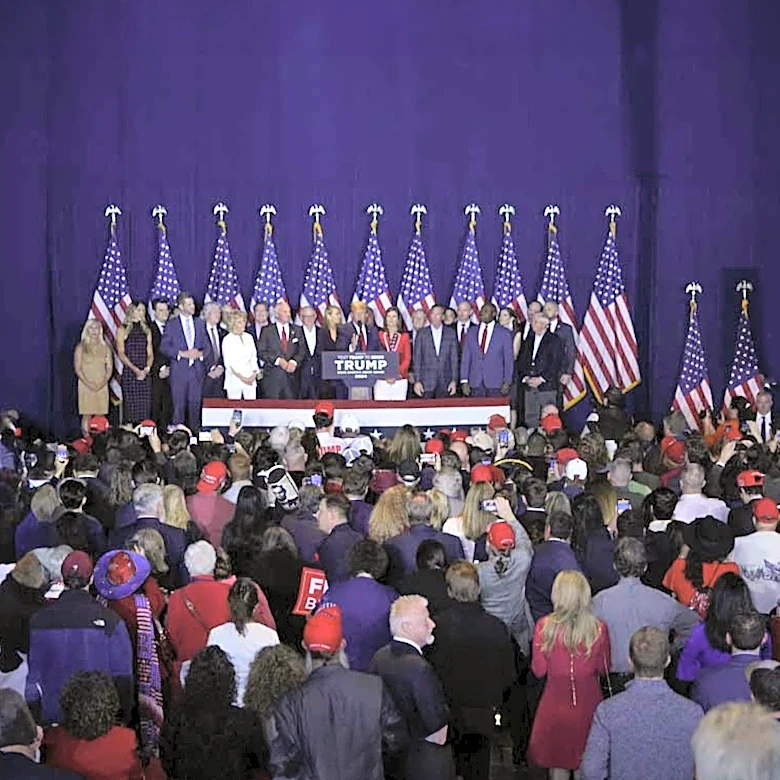
U.S. Senator Deb Fischer of Nebraska did not attend the first-ever GOP midterm convention held in Texas. Her absence was attributed to a previously scheduled trip related to her duties on the Senate’s Armed Services Committee. The convention, informally
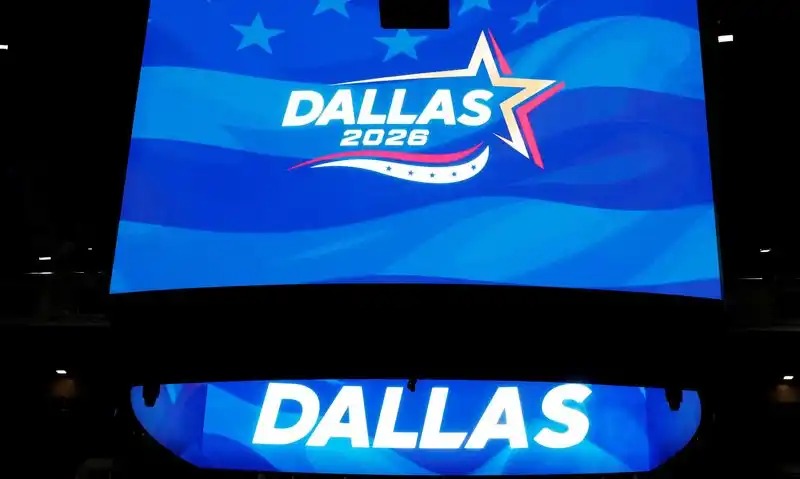
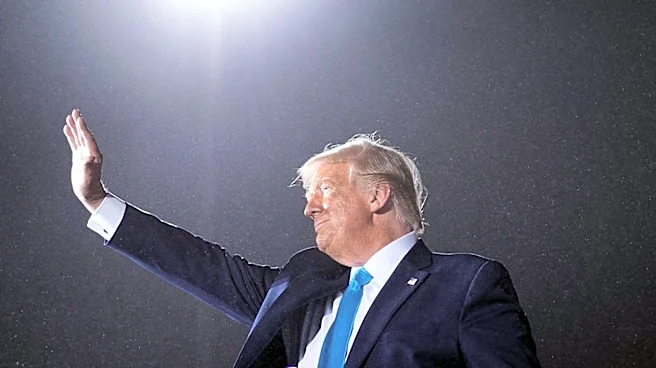
dubbed 'Trumpapalooza,' featured keynote addresses from President Trump and Vice President JD Vance, and aimed to highlight achievements from the first two years of President Trump's second administration while contrasting with Democratic positions. While over 100 Republican House members and candidates were expected to attend, several prominent Nebraska politicians, including Governor Jim Pillen and Attorney General Mike Hilgers, also opted not to participate. Only U.S. Rep. Adrian Smith and GOP nominee Brinker Harding from Nebraska were confirmed to attend.
Why It's Important?
The absence of Senator Deb Fischer and other key Nebraska Republican figures from a significant party event, particularly one featuring President Trump, could signal various dynamics within the Republican Party. While Fischer's reason is tied to her Senate responsibilities, the broader trend of some GOP officials skipping the convention might reflect strategic decisions ahead of the general election. For Nebraska, a reliably Republican state, the non-attendance of its top elected officials at a national party gathering could indicate a focus on local campaigns or a desire to maintain a degree of independence from the national party's messaging, especially in a midterm election cycle. This could influence voter perception and potentially impact the unity and messaging efforts of the Republican Party in the state and nationally.
What's Next?
The implications of Senator Fischer's absence, along with other Nebraska GOP leaders, will likely be analyzed in the context of upcoming political campaigns and the broader Republican strategy for the November 3 general election. While her reason was official Senate business, the decision by multiple Nebraska Republicans to skip the convention could lead to questions about party cohesion or individual campaign strategies. Democrats are reportedly planning their own counterprogramming, suggesting that the GOP convention and the attendance records of its members will be points of discussion in the political discourse leading up to the midterms. The focus will now shift to how these politicians engage with their constituents and articulate their platforms in the remaining weeks before Election Day.
Beyond the Headlines
The decision by Senator Fischer and other Nebraska Republicans to prioritize other engagements over a high-profile national party convention, even with President Trump in attendance, highlights the complex balance between national party loyalty and individual political positioning. In a state like Nebraska, where the GOP holds a strong advantage, elected officials might feel less pressure to align perfectly with every national party event, especially if it conflicts with their legislative duties or local campaign needs. This could also reflect a subtle shift in how some Republican leaders navigate their relationship with the national party, opting for a more independent approach when it serves their political interests or official responsibilities. The event also underscores the ongoing challenge for national parties to ensure full participation and unity from all their members, particularly in diverse political landscapes.