







What's Happening?
The US Fish and Wildlife Service and the National Marine Fisheries Service have issued a final rule that changes the interpretation of the Endangered Species Act (ESA) by removing habitat modification from the definition of 'harm'. This deregulatory action,
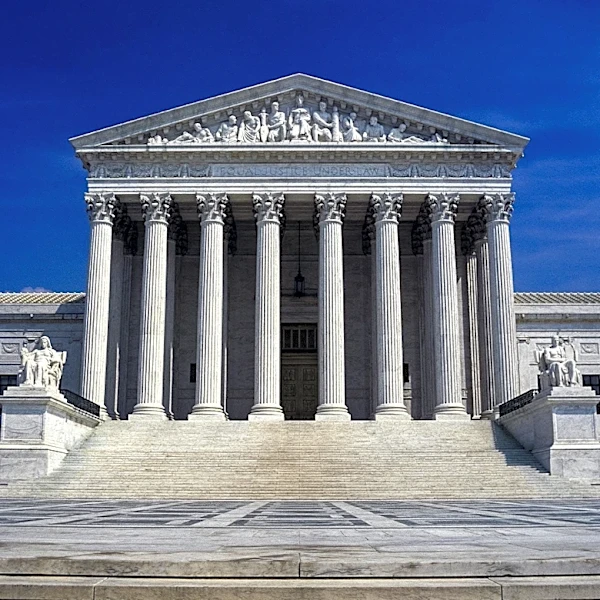
effective September 14, 2026, has already faced legal challenges from environmental groups and tribal communities. The rule relies on a recent Supreme Court decision that eliminated Chevron deference, arguing that 'harm' should require an intentional act against animals rather than indirect habitat impacts. The rule is controversial and has prompted lawsuits seeking to overturn it.
Why It's Important?
This rule change represents a significant shift in environmental policy, potentially reducing protections for endangered species by narrowing the scope of what constitutes 'harm'. It could lead to increased development activities in habitats previously protected under the ESA, impacting biodiversity and conservation efforts. The legal challenges highlight the contentious nature of environmental regulation and the balance between economic development and ecological preservation. The outcome of these lawsuits could set important precedents for future environmental policy and the interpretation of federal laws protecting wildlife.
What's Next?
The legal challenges against the rule are expected to proceed in the coming months, with courts deciding on the validity of the rule under the Administrative Procedure Act and other environmental laws. The outcome will be closely watched by environmentalists, developers, and policymakers, as it could influence future regulatory approaches to habitat protection. Meanwhile, project developers may need to reassess their strategies in light of the new rule, considering potential impacts on endangered species and the legal landscape.