


What's Happening?
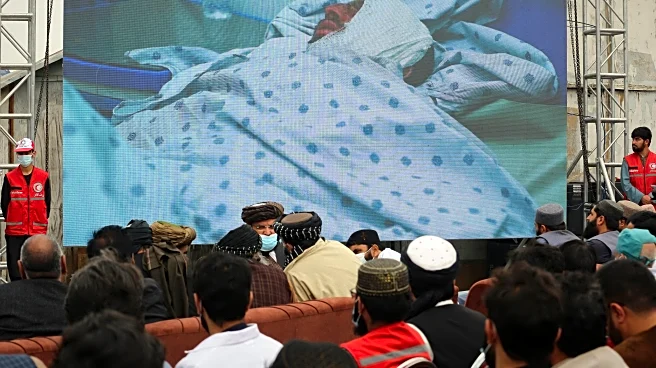
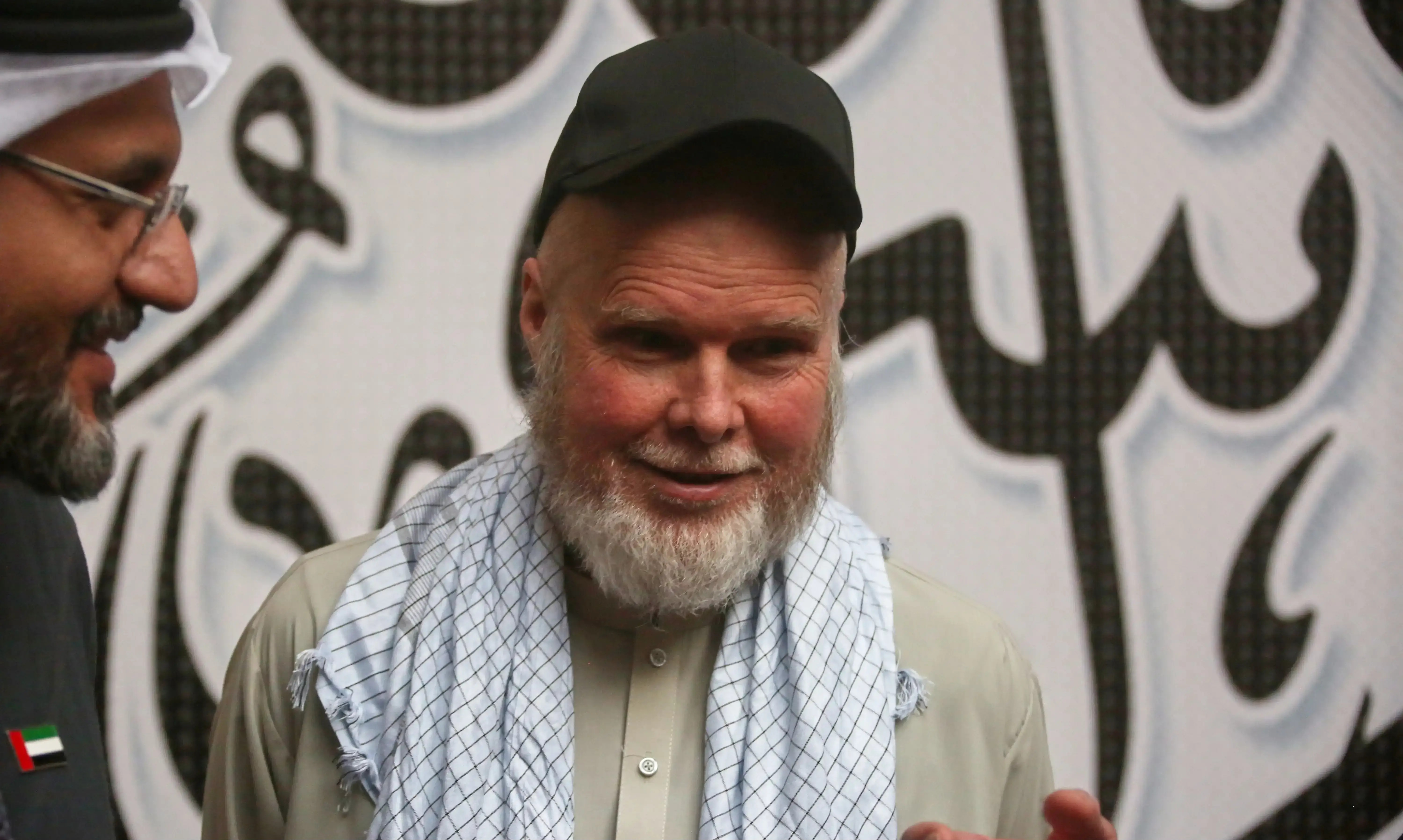
Afghanistan's Taliban authorities have released American academic Dennis Coyle, who had been detained since January 2025. The release coincided with the Muslim holiday of Eid al-Fitr, marking the end of Ramadan. The Afghan Foreign Ministry stated that
Coyle's release followed an appeal from his family and a decision by Afghanistan's Supreme Court, which deemed his previous imprisonment sufficient. Although Afghan authorities accused Coyle of violating laws, they did not specify which ones. U.S. Secretary of State Marco Rubio welcomed the release, noting that President Trump is committed to ending unjust detentions overseas. The U.S. State Department recently designated Afghanistan as a sponsor of wrongful detention, accusing it of engaging in 'hostage diplomacy.' Afghan authorities, however, deny these allegations, asserting that arrests are made for legal violations, not for leverage.
Why It's Important?
The release of Dennis Coyle is significant as it highlights ongoing tensions between the U.S. and Afghanistan regarding the detention of American nationals. The U.S. has accused Afghanistan of using detentions as a diplomatic tool, a claim Afghanistan denies. This development underscores the complex diplomatic relations between the two countries, especially following the Taliban's return to power in 2021. The release may improve diplomatic relations, but it also raises questions about the safety of Americans in Afghanistan and the potential for future detentions. The involvement of countries like the United Arab Emirates and Qatar in mediating the release indicates the international dimension of such detentions and the potential for broader diplomatic engagement.
What's Next?
The U.S. continues to seek the release of other Americans believed to be detained in Afghanistan, such as Mahmood Habibi and Paul Overby. Secretary Rubio emphasized the need for the Taliban to end 'hostage diplomacy.' The Afghan Foreign Ministry expressed hope for resolving remaining issues through dialogue, suggesting potential for future diplomatic negotiations. The situation remains delicate, with the possibility of further diplomatic efforts to secure the release of other detained Americans. The U.S. may continue to apply pressure on Afghanistan through diplomatic channels and international partners to address these detentions.