


What's Happening?
Cornelia de Lange Syndrome (CdLS) is a rare neurodevelopmental disorder characterized by a range of physical and cognitive impairments. Recent research has expanded the understanding of the genetic and phenotypic diversity associated with CdLS. Advances
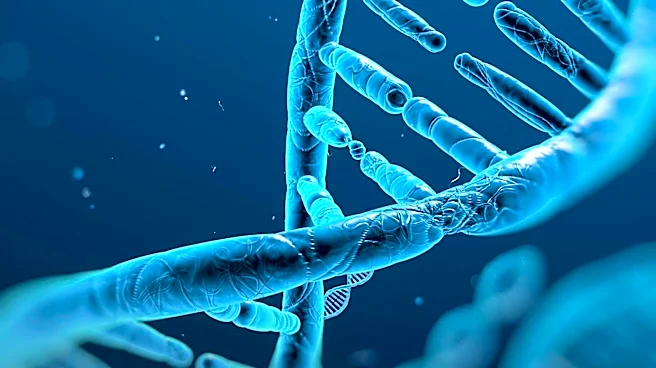
in genomic technologies have identified various genes linked to the syndrome, such as NIPBL, SMC1A, and HDAC8. However, significant gaps remain in fully defining the condition's spectrum, complicating diagnosis and treatment. The research aims to integrate genetic and phenotypic data to improve diagnostic strategies and develop precision medicine approaches. This includes exploring genotype-phenotype relationships and potential therapeutic targets.
Why It's Important?
Understanding the genetic and phenotypic diversity of CdLS is crucial for developing effective diagnostic and therapeutic strategies. The complexity of the syndrome, with its overlapping features with other disorders, poses challenges for clinicians. By identifying specific genetic markers and their associated phenotypes, researchers can tailor interventions to individual patients, improving outcomes. This research also contributes to the broader field of chromatinopathies, offering insights into similar conditions. The development of genotype-informed care could lead to earlier interventions and more personalized treatment plans, ultimately enhancing the quality of life for individuals with CdLS.
What's Next?
Future research will likely focus on refining genotype-phenotype associations and developing robust clinical endpoints for therapeutic studies. The integration of clinical, genetic, and molecular data will be essential for advancing precision medicine approaches. Researchers will continue to explore convergent biological pathways and potential therapeutic targets, aiming to translate these findings into clinical trials. The development of reliable outcome measures will be critical for evaluating the effectiveness of new treatments. As the understanding of CdLS evolves, it may also inform strategies for other chromatin-related disorders, broadening the impact of this research.