
What's Happening?
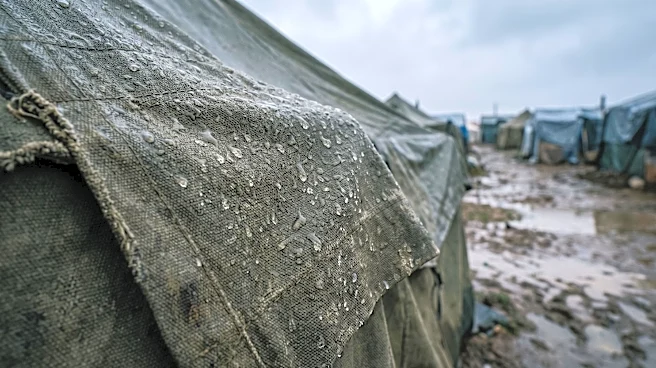
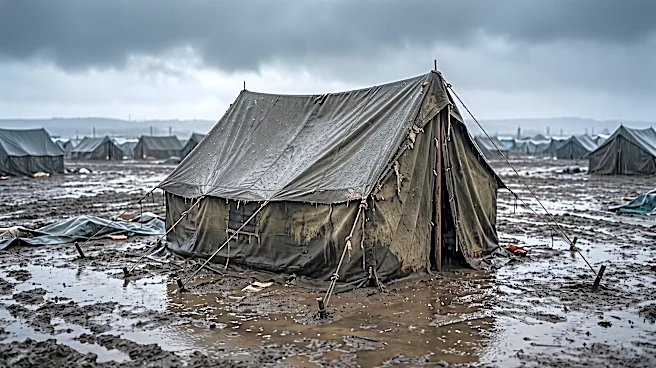
A nine-month-old baby, Kinan, has died from hypothermia in his family's displacement tent in Gaza, marking the first cold-related fatality of the current winter season. The Arqiq family, like 1.4 million
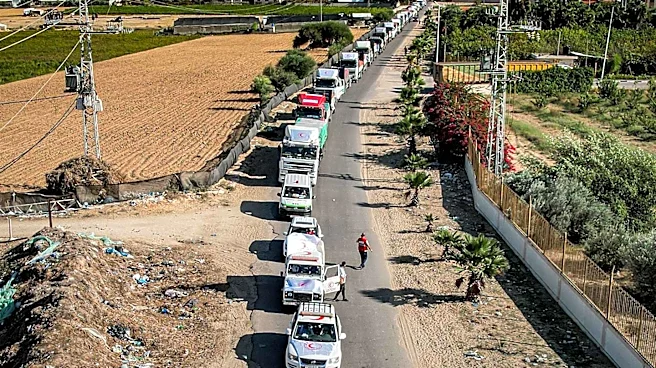
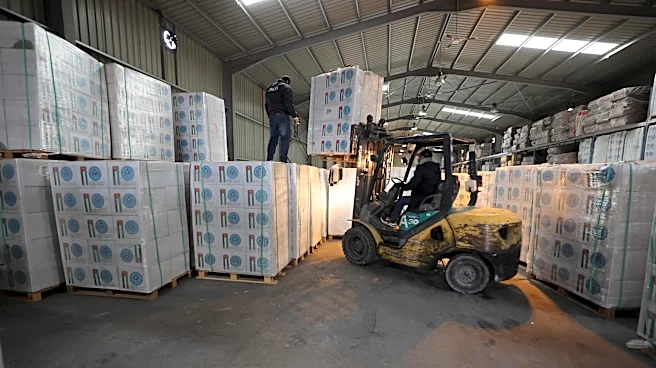
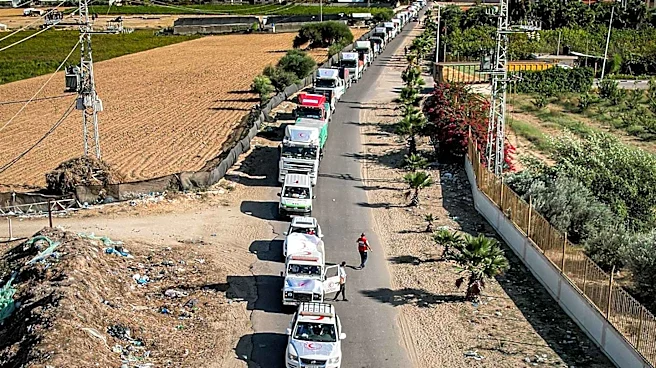
other displaced individuals, is living in a worn-out tent in the al-Mawasi camp near Khan Younis, which offers little protection from the cold and rain. Winter storms have caused widespread flooding in displacement camps across Gaza, damaging tents and exposing families to harsh conditions. Israel's siege on Gaza has reportedly prevented essential materials like mobile homes and tarpaulins from entering the territory, exacerbating the housing crisis. Kinan's father, Ahmed, has been unable to find work, and the family struggles to afford basic necessities, including adequate shelter, blankets, and clothing. This tragedy has renewed fears among displaced families as winter sets in, with at least four other children dying in recent floods.
Why It's Important?
This tragic death underscores the severe humanitarian crisis in Gaza, particularly as winter conditions worsen. The inability of displaced families to access adequate shelter and warmth highlights the devastating impact of ongoing conflict and restrictions on aid. For the U.S. and the international community, this event serves as a stark reminder of the urgent need for humanitarian assistance and the complexities of delivering aid in a conflict zone. The reported prevention of essential materials from entering Gaza directly contributes to the vulnerability of its population, especially children, to environmental hazards. This situation puts pressure on international bodies and donor nations to advocate for unimpeded humanitarian access and to address the root causes of displacement and poverty, which are exacerbated by the conflict.
What's Next?
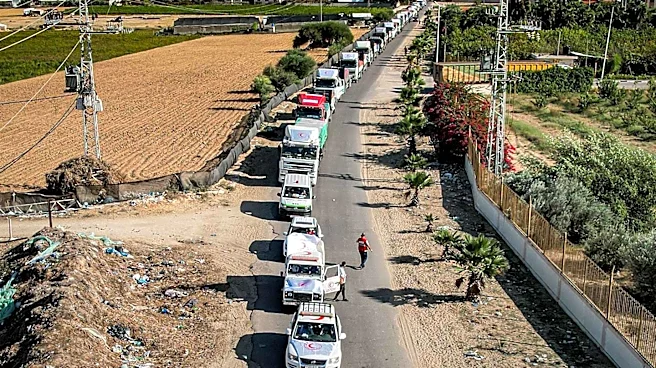
The death of Kinan and the ongoing winter storms are likely to intensify calls for increased humanitarian aid and a lifting of restrictions on essential supplies into Gaza. International organizations and human rights groups will likely continue to highlight the dire living conditions and advocate for better protection for displaced populations. The U.S. and other donor countries may face renewed pressure to facilitate the entry of construction materials and other necessities to improve shelter conditions. Without significant changes in access and aid, more cold-related fatalities and health crises are foreseeable as winter progresses. The focus will remain on ensuring that humanitarian assistance can reach those in need without obstruction, and on finding sustainable solutions for the displaced population.
Beyond the Headlines
The death of baby Kinan reveals a deeper systemic issue where humanitarian needs are entangled with political and security considerations. The reported restrictions on essential materials, even those critical for basic survival like tarpaulins, suggest a broader policy that impacts civilian welfare. This situation raises ethical questions about the responsibilities of all parties involved in the conflict to protect civilian lives and ensure access to fundamental human rights, even amidst hostilities. The vulnerability of children in such circumstances highlights the long-term psychological and physical toll of displacement and conflict on the youngest populations. This tragedy also underscores the potential for humanitarian crises to become politicized, with narratives often differing on the causes and responsibilities for the suffering, making effective intervention even more challenging.