



What's Happening?
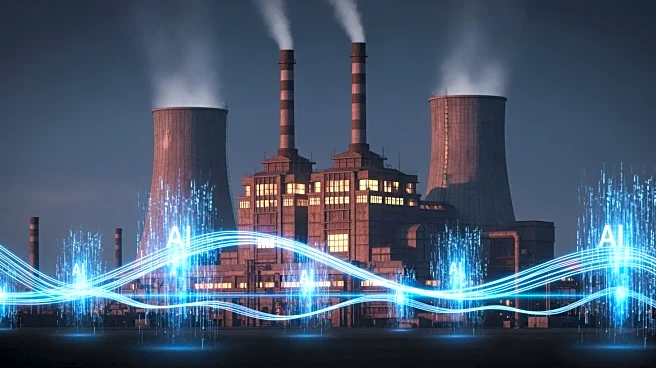
The demand for electricity from artificial intelligence (AI) data centers is causing a resurgence in the use of obsolete 'peaker' power plants across the United States. These plants, which were initially scheduled for retirement, are being kept operational
due to the increased electricity demands from data centers, particularly in the PJM Interconnection, the nation's largest power grid. The Fisk power plant in Chicago, owned by NRG Energy, is one such facility that was slated for closure but has been kept running to meet the rising power needs. Peaker plants, designed to operate during peak demand periods, are less efficient and more polluting than continuous power plants. This resurgence is leading to higher electricity prices and increased local pollution, as these plants emit more sulfur dioxide and other pollutants. The situation is exacerbated by the concentration of these plants in low-income communities, which are disproportionately affected by environmental hazards.
Why It's Important?
The revival of peaker power plants due to AI data center demands has significant implications for both the environment and electricity consumers. The increased operation of these plants leads to higher electricity costs, which are ultimately passed on to consumers. Additionally, the environmental impact is considerable, as these plants emit higher levels of pollutants, contributing to local air quality issues. This development also highlights the challenges in transitioning to cleaner energy sources, as the need for immediate power supply from peaker plants can delay the integration of renewable energy into the grid. The situation underscores the tension between technological advancements, such as AI, and sustainable energy practices, raising questions about the long-term viability of current energy policies.
What's Next?
As the demand for electricity continues to rise, particularly from AI data centers, there may be increased pressure on policymakers and energy companies to find sustainable solutions. This could involve investing in more robust transmission infrastructure to better distribute electricity and reduce reliance on peaker plants. Additionally, advancements in battery technology could provide alternative solutions for energy storage, potentially reducing the need for peaker plants. However, in the short term, communities affected by the pollution from these plants may continue to face environmental challenges. The ongoing operation of these plants may also prompt further discussions on environmental justice, as low-income and minority communities bear the brunt of the pollution.
Beyond the Headlines
The continued operation of peaker plants in response to AI data center demands raises broader questions about energy equity and environmental justice. Many of these plants are located in historically marginalized communities, which have long faced environmental and health disparities. The situation highlights the need for comprehensive energy policies that address both the technological demands of modern society and the environmental and social impacts on vulnerable populations. As the energy landscape evolves, balancing economic growth with environmental sustainability and social equity will be crucial.