







What's Happening?
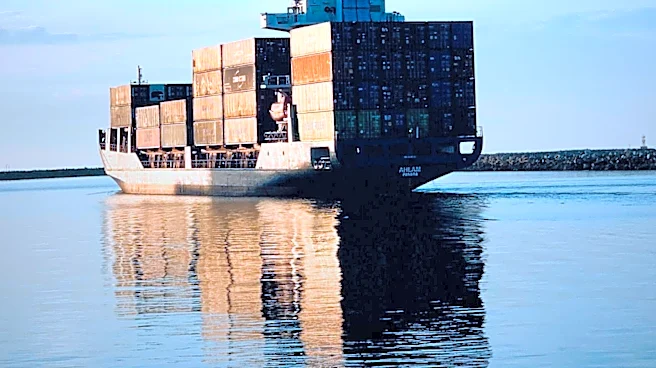
Turkey is actively pursuing a new diplomatic initiative to establish a Black Sea grain corridor for Ukrainian exports. This effort comes after Russia's withdrawal from the previous Black Sea Grain Initiative in 2023, which had facilitated the safe passage
of nearly 33 million metric tons of Ukrainian grain despite ongoing conflict. The proposed new mechanism aims to ensure the secure transit of Ukrainian agricultural products through the Black Sea, effectively bypassing the current Russian blockade. Turkish Foreign Minister Hakan Fidan has confirmed these intentions, stating that Ankara is engaged in discussions with both Ukraine and Russia to finalize the agreement. The previous agreement, brokered by the UN and Turkey in July 2022, was crucial for global food security, and its collapse led to renewed concerns about supply disruptions. Russia's withdrawal was attributed to alleged obstacles to its own food and fertilizer exports, which Moscow claimed were not adequately addressed under the prior arrangement. The current diplomatic push by Turkey seeks to create conditions for a similar agreement, provided necessary preconditions are met, to restore vital maritime routes for Ukrainian exports.
Why It's Important?
The re-establishment of a Black Sea grain corridor is critically important for several reasons. For Ukraine, it represents a vital source of foreign exchange revenue, essential for supporting its economy amidst the ongoing war. The inability to export grain via traditional maritime routes forces Ukrainian exporters to rely on more costly and less efficient alternative land and river corridors, which cannot handle the volume required. This situation has led to increased risk premiums and higher routing costs, impacting the profitability for Ukrainian farmers. Globally, the disruption of Ukrainian grain exports, alongside Russian exports, significantly tightens the international grain supply, contributing to price volatility and concerns about food security. Russia and Ukraine collectively account for a substantial portion of global wheat demand, and their export disruptions affect not only wheat but also corn, barley, sunflower oil, and animal feed components. A successful new corridor would help stabilize global food prices, alleviate potential hunger crises, and provide much-needed market access for Ukrainian agricultural producers, who have continued to harvest under challenging conditions.
What's Next?
Diplomatic efforts led by Turkey are expected to continue, with ongoing talks between Ankara, Kyiv, and Moscow to iron out the details of a new Black Sea grain corridor. The success of these negotiations hinges on addressing Russia's stated concerns regarding its own agricultural exports and ensuring the safety of commercial vessels. The international community will closely monitor these discussions, as a breakthrough could significantly impact global food markets. Should an agreement be reached, the immediate next step would involve establishing the operational framework for safe passage, including security guarantees and logistical arrangements. Conversely, if diplomatic efforts falter, Ukraine will likely continue to rely on alternative, less efficient export routes, and global grain markets could face sustained pressure, potentially leading to further price increases and heightened food insecurity. The outcome will also influence the broader geopolitical landscape, demonstrating the potential for diplomatic solutions in a conflict-ridden region.
Beyond the Headlines
The ongoing efforts to secure a Black Sea grain corridor highlight the complex interplay between geopolitical conflict, economic leverage, and global humanitarian concerns. Russia's previous withdrawal and its attempts to link a maritime truce to an end to Ukrainian strikes on its energy sector underscore how food security has become a bargaining chip in the broader conflict. This situation raises ethical questions about the weaponization of essential commodities and the impact on vulnerable populations worldwide. The reliance on alternative export routes, while necessary, also exposes the fragility of global supply chains and the need for resilient, diversified trade networks. Furthermore, the diplomatic role played by Turkey emphasizes its strategic importance as a mediator in regional conflicts and its vested interest in maintaining stability in the Black Sea. The long-term implications extend to agricultural investment in Ukraine, as farmers need confidence in market access to plan future planting seasons, and to the stability of international food aid programs that rely on accessible and affordable grain supplies.