










What's Happening?
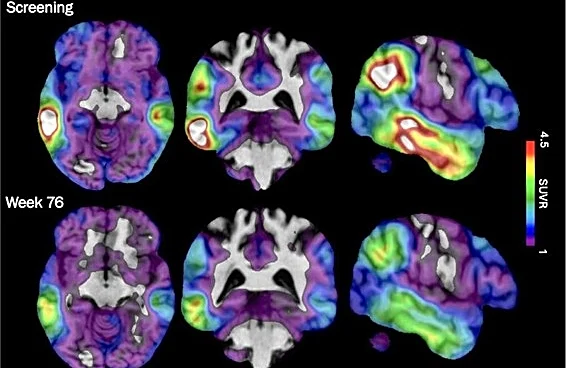
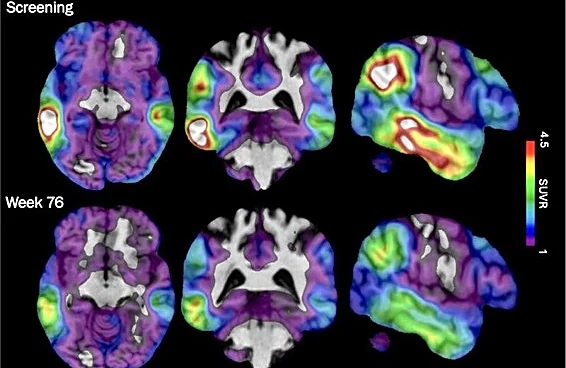
Researchers have developed a blood test that may predict the likelihood of healthy older adults developing Alzheimer's symptoms within five to ten years. The test, known as p-tau217, measures a form of tau protein associated with Alzheimer's disease.
The study, published in JAMA and presented at the Alzheimer's Association International Conference, found that individuals with high levels of p-tau217 had a significantly increased risk of cognitive impairment. While the test is not yet recommended for widespread use, it could become a valuable tool for identifying high-risk individuals for clinical trials aimed at preventing or delaying Alzheimer's.
Why It's Important?
The development of a predictive blood test for Alzheimer's could revolutionize how the disease is approached, particularly in terms of early intervention and prevention. By identifying individuals at high risk before symptoms appear, researchers can better target clinical trials and potentially develop more effective treatments. This advancement could also alleviate some of the burden on healthcare systems by enabling earlier and more precise interventions. However, the test's predictive power must be balanced with ethical considerations, as knowing one's risk could have significant psychological impacts.
What's Next?
Further research is needed to validate the test's accuracy and determine its practical applications in clinical settings. Ongoing studies will explore whether early intervention based on test results can effectively prevent or delay Alzheimer's symptoms. As the test becomes more refined, it may lead to new guidelines for Alzheimer's screening and prevention strategies. The medical community will also need to address ethical concerns related to predictive testing and its implications for patients and their families.