



What's Happening?
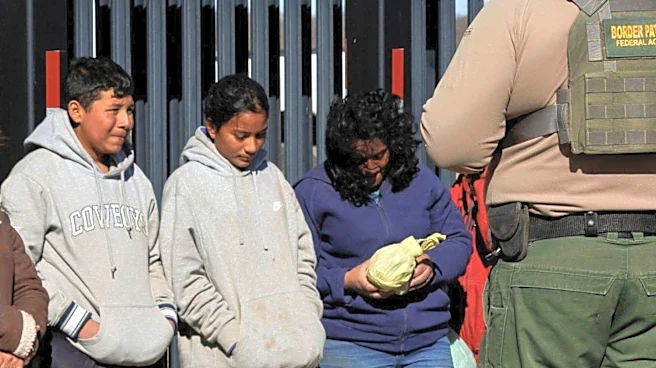
The Department of Homeland Security (DHS) is engaging private investigators to locate deported individuals and ensure they pay outstanding fines. This initiative, part of the Tracing and Payment Recovery Services program, is capped at $9 million over two
years. The program involves verifying the current residences of deported individuals in countries like Mexico, Honduras, and Guatemala through commercial data verification and physical observation. Evidence such as photographs of homes, utility bills, and employment records are used to confirm addresses. The program also requires contractors to deliver flyers listing fines owed by these individuals. The initiative follows the issuance of over $84 billion in fines to immigrants accused of failing to depart the U.S., a practice revived during President Trump's administration.
Why It's Important?
This development highlights the ongoing enforcement of immigration policies that have significant financial implications for deported individuals. The fines, which can reach up to $1.8 million, are seen by legal experts as a means to intimidate immigrants into self-deportation. The program's expansion to include overseas tracking represents an escalation in tactics, potentially deterring future immigration. The financial burden on deported individuals could lead to severe economic consequences, including wage garnishment and credit score damage. This initiative underscores the broader immigration enforcement strategy of the U.S. government, which may impact international relations with countries where these individuals reside.
What's Next?
The DHS's approach may face legal challenges, as critics argue it bypasses due process and imposes undue financial hardship. The effectiveness of the program remains uncertain, as previous efforts to locate individuals overseas have been unsuccessful. The program's expansion could prompt diplomatic discussions with affected countries, potentially influencing future immigration policies. Legal and civil rights organizations may continue to challenge the fines and enforcement methods, advocating for more humane immigration practices.